
पोस्ट को हिंदी में पढ़ने के लिए यहाँ क्लिक करें।
AICTE Distinguished Professional Scheme: In a significant effort to inspire and guide the younger generation, the Government of India has introduced the AICTE Distinguished Professional Scheme 2024. This scheme is designed to connect students of AICTE-approved institutions with experts and professionals across various industries. The goal is to foster learning and growth by enabling students to interact with individuals who have achieved excellence in their respective fields, thereby gaining valuable practical knowledge and insights.
Professionals from various domains will visit AICTE-approved institutes to engage with students, offering them an opportunity to learn beyond textbooks and understand real-world applications. This initiative seeks to enrich the learning environment of AICTE-approved institutions and ensure students are well-prepared for future challenges in their careers.
Let’s dive into the details of this scheme, including its benefits, eligibility, application process, and much more.
Objective of the AICTE Distinguished Professional Scheme
The primary aim of the AICTE Distinguished Professional Scheme 2024 is to provide students in AICTE-approved institutions with access to real-world expertise. By bringing professionals and experts into the educational setting, this initiative seeks to bridge the gap between theoretical knowledge and practical application.
These professionals, who are distinguished leaders in their fields, will visit institutions, share their experiences, and help students gain a broader understanding of technological, research-based, and innovative fields. The interaction will not only inspire students but also encourage them to excel academically and professionally.
In addition, the Government of India has introduced an honorarium of INR 15,000 to these professionals as a token of appreciation for dedicating their time and effort to educating and mentoring students.
Also Read: APSRTC Free Bus Scheme for Women 2024: Comprehensive Guide with FAQs
Key Highlights of the AICTE Distinguished Professional Scheme
| Details | Information |
|---|---|
| Scheme Name | AICTE Distinguished Professional Scheme 2024 |
| Launched By | Government of India |
| Implemented By | All India Council for Technical Education (AICTE) |
| Primary Objective | Encourage young students through professional interaction |
| Beneficiaries | Students of AICTE-approved institutes |
| Eligibility Criteria for Professionals | – Exceptional contributions in their field – Recognized leader in specialization with involvement in research, technology, or innovation |
| Honorarium for Professionals | INR 15,000 per visit |
| Maximum Visits per Month | 2 visits |
| Maximum Visits per Year | 12 visits |
| Minimum Required Visits per Year | 3 visits |
| Scheme Duration | 3 years or until the professional reaches 75 years of age |
| Required Documents | – Aadhar Card – Birth Certificate – Caste Certificate (if applicable) – Income Proof – Previous Year Marksheet – Domicile Certificate |
| Application Mode | Online via AICTE Portal |
| Application Process | 1. Visit AICTE official website. 2. Click on “Apply Online”. 3. Fill in the required details and attach documents. 4. Submit the application form. |
| Contact Information | Helpline No: 011-26131576-78, 80 |
Eligibility Criteria for Professionals
To be eligible for participation under the AICTE Distinguished Professional Scheme, professionals must meet the following criteria:
- Exceptional Contributions: The individual must have made unparalleled and exceptional technical or professional contributions in their respective field.
- Acknowledged Leader: The professional must be a recognized leader in their field, having been actively involved in research, technology, development, and innovation.
These professionals are expected to be role models for students, inspiring them to pursue academic and professional excellence.
Honorarium for Professionals
Professionals participating in the scheme will be entitled to an honorarium of INR 15,000 for each full day of interaction with students and faculty. This honorarium is meant to compensate professionals for their valuable time and effort. The guidelines for professional visits under the scheme are as follows:
- Monthly Visits: The professional can conduct two visits per month.
- Yearly Visits: The professional can conduct up to 12 visits per year.
- Minimum Commitment: The professional is required to visit the institution at least three times a year as part of their yearly schedule.
This honorarium is aimed at ensuring professionals can contribute effectively while maintaining their regular commitments in their respective careers.
Key Features of the Scheme
- Professional Engagement: AICTE-approved institutes will invite distinguished professionals to interact with students and faculty, enhancing the learning experience with real-world insights.
- Honorarium for Professionals: INR 15,000 per visit will be provided as an honorarium for the visiting professionals.
- Scheme Duration: The scheme will last for 3 years or until the professional reaches the age of 75, whichever comes first.
- Student Exposure: Students will be exposed to advanced knowledge in areas like technology, research, and innovation, contributing to their overall growth.
- Online Application: Both institutions and professionals can apply for the scheme online through the AICTE portal.
Also Read: 70+ Senior Citizen Ayushman Card Apply Online 2024: Download Ayushman Card
Required Documents for Application
Professionals interested in participating in the AICTE Distinguished Professional Scheme will need to submit the following documents:
- Aadhar Card (Identity proof)
- Birth Certificate
- Caste Certificate (if applicable)
- Income Proof
- Previous Year’s Marksheet (for students applying)
- Domicile Certificate (for professionals applying)
These documents must be uploaded during the online application process to verify eligibility and authenticate the applicant’s credentials.
Duration of the Scheme
The duration of the AICTE Distinguished Professional Scheme is set for three years, or until the professional reaches 75 years of age, whichever is earlier. This ensures a long-term collaboration between professionals and educational institutions, fostering a stable environment for continued learning and interaction.
Steps to Apply for the AICTE Distinguished Professional Scheme
To apply for the AICTE Distinguished Professional Scheme online, follow these steps:
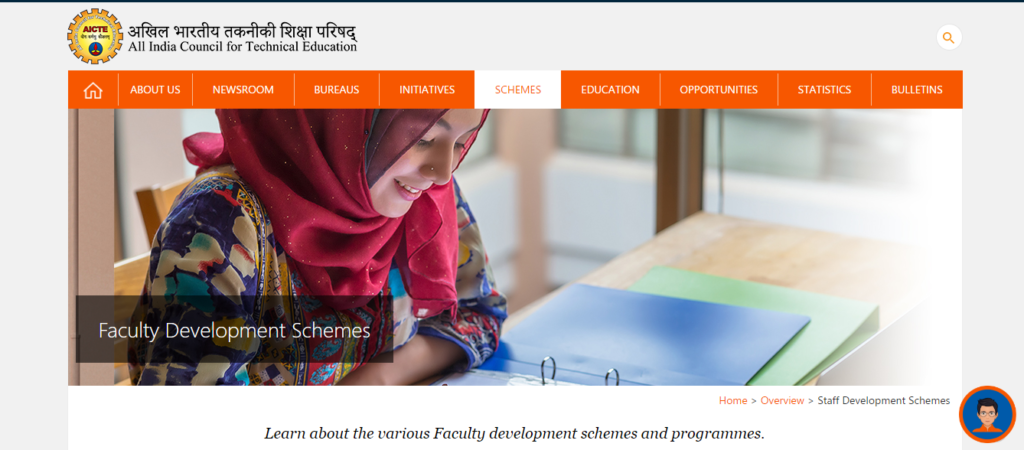
- Visit the AICTE Official Website: Go to the official AICTE portal.
- Click on “Apply Online”: Once on the homepage, look for the “Apply Online” option and click on it.
- Fill in the Details: A new page will open. Fill in the application form with all the required information, such as personal and professional details.
- Attach Necessary Documents: Upload the necessary documents (Aadhar Card, Birth Certificate, etc.).
- Review and Submit: Review your application thoroughly and click on the “Submit” button to complete the application process.
After submitting the application, applicants will be contacted regarding further procedures if their application is successful.
Contact Information
For any queries or support regarding the AICTE Distinguished Professional Scheme, applicants can contact the following helpline numbers:
Helpline Number: 011-26131576-78, 80
FAQs
- What is the main objective of the AICTE Distinguished Professional Scheme 2024?
- The main objective of this scheme is to encourage young students by providing them with practical knowledge and expertise from professionals in their respective fields. This helps bridge the gap between theory and practice.
- Who is eligible to participate as a professional in the scheme?
- Professionals who have made exceptional contributions in their field, are acknowledged leaders, and have experience in research, technology, or innovation are eligible to participate.
- What is the duration of the AICTE Distinguished Professional Scheme?
- The scheme lasts for three years or until the professional reaches the age of 75 years, whichever is earlier.
- How many visits can a professional make under this scheme?
- A professional can make up to two visits per month, with a maximum of 12 visits per year. They are expected to visit at least three times in a year.
- What is the honorarium provided to professionals?
- An honorarium of INR 15,000 is provided for each full day of interaction with students and faculty.
- Can students apply for this scheme?
- Students are not directly involved in the application process; the scheme is mainly for institutions and professionals. However, students benefit from the professional interactions.
- Is the application process online?
- Yes, the application process is entirely online. Both professionals and institutions can apply through the AICTE portal.
- What documents are required for applying?
- Key documents include an Aadhar card, birth certificate, income proof, and caste certificate (if applicable).
- What benefits do students get from this scheme?
- Students gain access to practical knowledge, insights from industry experts, and inspiration to excel academically and professionally.
- How does this scheme contribute to the education sector?
- The scheme enhances the educational experience by integrating real-world knowledge, fostering research, and promoting innovation in AICTE-approved institutions.
Conclusion
The AICTE Distinguished Professional Scheme 2024 is a forward-thinking initiative aimed at enriching the academic environment of AICTE-approved institutions by facilitating meaningful interactions between students and accomplished professionals. With practical insights, real-world applications, and mentorship, this scheme equips young students with the knowledge and inspiration to excel in their chosen fields. The honorarium provided to professionals also acknowledges their role in shaping future generations, making this scheme a win-win for both students and professionals. Institutions should embrace this opportunity to enhance their learning environment, while professionals should contribute to nurturing the next generation of leaders and innovators.
Post In Hindi
AICTE विशिष्ट प्रोफेशनल योजना 2024: ऑनलाइन आवेदन करें, पात्रता और लाभ की जांच करें
भारत सरकार ने AICTE विशिष्ट प्रोफेशनल योजना 2024 शुरू की है। इस योजना का उद्देश्य AICTE-अनुमोदित संस्थानों के युवा छात्रों को ऐसे पेशेवरों और विशेषज्ञों से मिलवाना है जो अपने-अपने क्षेत्रों में अनुभवी और कुशल हैं। इस योजना के तहत, AICTE-अनुमोदित संस्थानों को विभिन्न पेशेवर नेताओं को आमंत्रित करने की अनुमति दी जाएगी जिन्होंने समाज में सकारात्मक योगदान दिया है। इस योजना के माध्यम से, ये पेशेवर युवा छात्रों के साथ संवाद करेंगे और उन्हें पढ़ाई के साथ-साथ जीवन के विभिन्न क्षेत्रों में बेहतरीन प्रदर्शन करने के लिए प्रेरित करेंगे। सभी पात्र आवेदकों को आधिकारिक वेबसाइट पर जाकर ऑनलाइन आवेदन प्रक्रिया पूरी करनी होगी।
AICTE विशिष्ट प्रोफेशनल योजना का उद्देश्य
AICTE विशिष्ट प्रोफेशनल योजना का मुख्य उद्देश्य विभिन्न AICTE-अनुमोदित संस्थानों के युवा छात्रों को प्रेरित करने के लिए उनके संबंधित क्षेत्रों के विशेषज्ञों के अनुभवों का उपयोग करना है। इस योजना का प्रमुख उद्देश्य यह सुनिश्चित करना है कि युवा छात्रों को विभिन्न पेशेवरों से व्यावहारिक ज्ञान प्राप्त हो सके। AICTE प्राधिकरण इन पेशेवरों को उनके संस्थान में यात्रा करने के लिए 15,000 रुपये का मानदेय भी प्रदान करेगा। योजना की अवधि 3 वर्ष या 75 वर्ष की आयु प्राप्त करने तक, इनमें से जो भी पहले हो, तक सीमित रहेगी।
AICTE विशिष्ट प्रोफेशनल योजना की महत्वपूर्ण जानकारी
| योजना का नाम | AICTE विशिष्ट प्रोफेशनल योजना 2024 |
|---|---|
| शुरू किया गया | भारत सरकार द्वारा |
| उद्देश्य | युवा छात्रों को प्रेरित करना |
| लाभार्थी | AICTE-अनुमोदित संस्थानों के छात्र |
| आधिकारिक वेबसाइट | AICTE पोर्टल |
पात्रता मानदंड
- व्यक्ति को अपने क्षेत्र में समाज में असाधारण, तकनीकी या पेशेवर योगदान दिया होना चाहिए।
- पुरस्कार प्राप्तकर्ता को उस विशेष क्षेत्र में एक मान्यता प्राप्त नेता होना चाहिए, जो अनुसंधान, प्रौद्योगिकी, विकास और नवाचार में सक्रिय रूप से लगे हुए हों।
AICTE विशिष्ट प्रोफेशनल योजना के तहत मानदेय
इस योजना के तहत, पेशेवरों को 15,000 रुपये का मानदेय दिया जाएगा ताकि वे होस्ट संस्थान और आस-पास के संस्थानों के संकाय सदस्यों और छात्रों के साथ पूरे दिन संवाद कर सकें।
- एक पेशेवर प्रति माह 2 बार और साल भर में कुल 12 बार संस्थान का दौरा कर सकते हैं।
- पेशेवरों से अपेक्षा की जाती है कि वे साल में कम से कम 3 बार संस्थान का दौरा करें।
आवश्यक दस्तावेज
- आधार कार्ड
- जन्म प्रमाण पत्र
- जाति प्रमाण पत्र
- आय प्रमाण पत्र
- पिछले वर्ष की अंकतालिका
- निवास प्रमाण पत्र
AICTE विशिष्ट प्रोफेशनल योजना की अवधि
इस योजना की अवधि 3 वर्ष होगी या पेशेवर की आयु 75 वर्ष होने तक, इनमें से जो भी पहले हो।
योजना की विशेषताएँ
- अखिल भारतीय तकनीकी शिक्षा परिषद (AICTE) ने विशिष्ट प्रोफेशनल योजना शुरू की।
- इस योजना के तहत, AICTE-अनुमोदित संस्थान पेशेवरों को आमंत्रित करेंगे ताकि वे छात्रों को प्रेरित कर सकें।
- युवा छात्र पेशेवरों से प्रौद्योगिकी, अनुसंधान और अन्य विषयों के बारे में ज्ञान प्राप्त कर सकेंगे।
- AICTE प्राधिकरण पेशेवर को प्रत्येक यात्रा के लिए 15,000 रुपये का मानदेय प्रदान करेगा।
- योजना की अवधि 3 वर्ष या 75 वर्ष की आयु प्राप्त करने तक रहेगी।
AICTE विशिष्ट प्रोफेशनल योजना ऑनलाइन आवेदन प्रक्रिया
चरण 1: जो भी आवेदक पात्रता मानदंड को पूरा करते हैं, वे आधिकारिक वेबसाइट पर जाकर AICTE विशिष्ट प्रोफेशनल योजना के लिए ऑनलाइन आवेदन कर सकते हैं।
चरण 2: होमपेज पर पहुंचने के बाद, आवेदक को “ऑनलाइन आवेदन करें” विकल्प पर क्लिक करना होगा।
चरण 3: एक नया पृष्ठ आपकी स्क्रीन पर दिखाई देगा, जहां आपको सभी आवश्यक विवरण भरने होंगे और आवश्यक दस्तावेज़ संलग्न करने होंगे।
चरण 4: सभी जानकारी भरने के बाद, आवेदक “सबमिट” विकल्प पर क्लिक करके प्रक्रिया को पूरा कर सकते हैं।
संपर्क विवरण
सहायता नंबर: 011-26131576-78,80
अक्सर पूछे जाने वाले प्रश्न (FAQs)
- AICTE विशिष्ट प्रोफेशनल योजना 2024 शुरू करने का मुख्य उद्देश्य क्या है?
- इस योजना का मुख्य उद्देश्य यह सुनिश्चित करना है कि युवा छात्रों को उन पेशेवरों से व्यावहारिक ज्ञान प्राप्त हो, जो अपने क्षेत्रों में विशेषज्ञ हैं।
- AICTE विशिष्ट प्रोफेशनल योजना 2024 की अवधि कितनी है?
- इस योजना की अवधि 3 वर्ष या पेशेवर की आयु 75 वर्ष तक, इनमें से जो भी पहले हो, तक सीमित है।
- इस योजना के तहत पेशेवरों को कितना मानदेय दिया जाएगा?
- पेशेवरों को इस योजना के तहत प्रत्येक यात्रा के लिए 15,000 रुपये का मानदेय दिया जाएगा।
- AICTE विशिष्ट प्रोफेशनल योजना के लिए कौन पात्र है?
- जो व्यक्ति अपने क्षेत्र में असाधारण और पेशेवर योगदान दे चुके हैं, वे इस योजना के लिए पात्र हैं।
- AICTE विशिष्ट प्रोफेशनल योजना के तहत कितनी बार दौरे की अनुमति है?
- पेशेवरों को साल भर में कुल 12 दौरे करने की अनुमति है, जिसमें से कम से कम 3 बार का दौरा आवश्यक है।
- AICTE विशिष्ट प्रोफेशनल योजना के लिए आवेदन कैसे करें?
- आवेदक आधिकारिक AICTE वेबसाइट पर जाकर ऑनलाइन आवेदन कर सकते हैं।
- AICTE विशिष्ट प्रोफेशनल योजना किसके लिए लागू है?
- यह योजना AICTE-अनुमोदित संस्थानों के छात्रों के लिए लागू है।
- AICTE योजना के तहत पेशेवरों का उद्देश्य क्या है?
- पेशेवरों का उद्देश्य छात्रों को प्रौद्योगिकी, अनुसंधान और व्यावहारिक अनुभव के माध्यम से मार्गदर्शन देना है।
- योजना के तहत छात्रों को क्या लाभ होगा?
- छात्र पेशेवरों से व्यावहारिक ज्ञान और अनुभव प्राप्त कर सकेंगे, जिससे उनकी शिक्षा और कैरियर में सुधार होगा।
- AICTE विशिष्ट प्रोफेशनल योजना कब तक चलने वाली है?
- यह योजना 3 साल तक चलेगी, या पेशेवर के 75 वर्ष की आयु तक, इनमें से जो भी पहले हो।
निष्कर्ष
AICTE विशिष्ट प्रोफेशनल योजना 2024 एक महत्वपूर्ण पहल है जिसका उद्देश्य भारत के AICTE-अनुमोदित संस्थानों के छात्रों को प्रौद्योगिकी, अनुसंधान, और व्यावहारिक अनुभव से जोड़ना है। यह योजना पेशेवरों और छात्रों के बीच सीधा संवाद स्थापित करती है, जिससे छात्रों को विशेषज्ञों से मूल्यवान मार्गदर्शन और प्रेरणा प्राप्त होती है। इसके साथ ही, पेशेवरों को उनकी सेवाओं के लिए उचित मानदेय प्रदान किया जाता है, जिससे यह सुनिश्चित होता है कि वे छात्रों के साथ प्रभावी रूप से जुड़ सकें।
यह योजना छात्रों के ज्ञान और कौशल में सुधार के लिए एक प्रभावी मंच साबित हो सकती है, जिससे उन्हें व्यावहारिक अनुभव का लाभ मिलेगा और वे अपने अध्ययन और कैरियर में सफलता प्राप्त कर सकेंगे।