पोस्ट को हिंदी में पढ़ने के लिए यहाँ क्लिक करें।
Ladla Bhai Yojana Maharashtra Eligibility: The Ladla Bhai Yojana is a financial assistance scheme initiated by the Maharashtra state government. It follows the success of the Ladli Behna Yojana and aims to provide financial support to male students who have completed their education but are still unemployed. This scheme targets economically weaker male citizens, offering monetary help to manage their day-to-day expenses while seeking employment or starting new ventures.
Under the Ladla Bhai Yojana, students who have completed their Class 12th, Diploma, or Graduation are eligible for financial aid based on their qualification. The Maharashtra government’s goal is to reduce financial instability for unemployed youth and provide them with the means to secure a better future.
Objectives of Ladla Bhai Yojana Maharashtra
The Ladla Bhai Yojana Maharashtra is designed to address the financial challenges faced by unemployed youth who have completed their education but have yet to secure employment. The scheme offers a monthly stipend to eligible male students, providing crucial support as they transition into the workforce or further pursue opportunities.
Key Objectives:
- Support Unemployed Youth: The scheme is intended to support male students in Maharashtra who are struggling to make ends meet after completing their education.
- Encourage Skill Development: By easing the financial burden, the scheme encourages male youth to enhance their skills or pursue further education.
- Prevent Financial Stress: Providing financial assistance helps reduce stress associated with the job search process and daily expenses.
- Promote Education: Incentivizes male students to complete their education knowing they will receive financial support while searching for employment opportunities.
Overview of Ladla Bhai Yojana Maharashtra
| Details | Information |
|---|---|
| Scheme Name | Ladla Bhai Yojana Maharashtra |
| Launched By | Maharashtra State Government |
| Objective | Provide financial assistance to unemployed male students in Maharashtra |
| Beneficiaries | Male students of Maharashtra who have completed Class 12th, Diploma, or Graduation |
| Age Limit | 18 to 34 years |
| Financial Assistance | – ₹6000 per month for Class 12th pass students – ₹8000 per month for Diploma holders – ₹10,000 per month for Graduates |
| Eligibility Criteria | – Permanent resident of Maharashtra – Age 18 to 34 years – Completed Class 12th, Diploma, or Graduation |
| Required Documents | – Aadhar Card (linked to bank account) – Income Certificate – Address Proof – Domicile Certificate – Educational Qualification (Class 12th, Diploma, or Degree mark sheet) – Age Proof (Birth Certificate) |
| Application Process | – Apply online through the Rojgar Mahaswayam Portal – Fill the form and upload required documents |
| Official Website | To be announced |
| Contact Email | prashantviroja43@gmail.com |
| Application Steps | 1. Visit Rojgar Mahaswayam Portal 2. Register on the portal 3. Fill in details and upload documents 4. Submit the application |
| Financial Disbursement Mode | Direct transfer to the applicant’s bank account linked to their Aadhar |
| Key Objectives | – Support unemployed youth – Reduce financial stress – Encourage skill development – Promote education |
| FAQs | 1. What is the Ladla Bhai Yojana? 2. Who is eligible for the scheme? 3. What financial aid is provided? 4. How to apply? 5. What is the age limit? 6. Is income proof required? 7. Is it available for females? 8. What educational qualifications are required? 9. What documents are needed? 10. When will I receive the financial aid? |
Eligibility Criteria for Ladla Bhai Yojana Maharashtra
To avail of the benefits of the Ladla Bhai Yojana Maharashtra, applicants must meet the following eligibility conditions:
- Permanent Resident of Maharashtra: Only male citizens who are permanent residents of Maharashtra are eligible for this scheme.
- Age Limit: The applicant should be between 18 and 34 years of age.
- Educational Qualification: The applicant must have completed their Class 12th, Diploma, or Graduation.
- Aadhar Card Linked to Bank Account: The applicant’s Aadhar Card must be linked to their bank account for financial disbursements.
- Income Certificate: The applicant should belong to an economically weaker section, as demonstrated by their Income Certificate.
Also Read: Annasaheb Patil Loan Scheme Information 2024: Eligibility, Benefits and Application Process
Age Limit for Ladla Bhai Yojana Maharashtra
To be eligible for the Ladla Bhai Yojana Maharashtra, applicants must fall within the specified age bracket:
- Minimum Age: 18 years
- Maximum Age: 34 years
This age limit ensures that the scheme benefits young male citizens who are transitioning from education to employment.
Required Documents for Ladla Bhai Yojana Maharashtra
Applicants must submit the following documents when applying for the Ladla Bhai Yojana:
- Aadhar Card: This serves as both residential and identity proof. The Aadhar Card should also be linked to the applicant’s bank account for direct transfer of financial aid.
- Income Certificate: This certifies that the applicant belongs to a financially weaker family. The income certificate is a crucial document to verify eligibility for the scheme.
- Address Proof: This confirms that the applicant is a permanent resident of Maharashtra. Documents such as the Aadhar Card or Domicile Certificate can serve as address proof.
- Domicile Certificate: This is required to show that the applicant is a permanent resident of the state.
- Educational Qualification: Applicants must submit proof of their educational qualifications such as a Class 12th mark sheet, Diploma, or Graduation Degree.
- Age Proof: This can be provided using a birth certificate or another government-approved document that shows the applicant’s age.
Application Process for Ladla Bhai Yojana Maharashtra
The Ladla Bhai Yojana Maharashtra application process is straightforward and can be completed online through the Rojgar Mahaswayam Portal. Follow these steps:
Step 1: Visit the official Rojgar Mahaswayam portal.
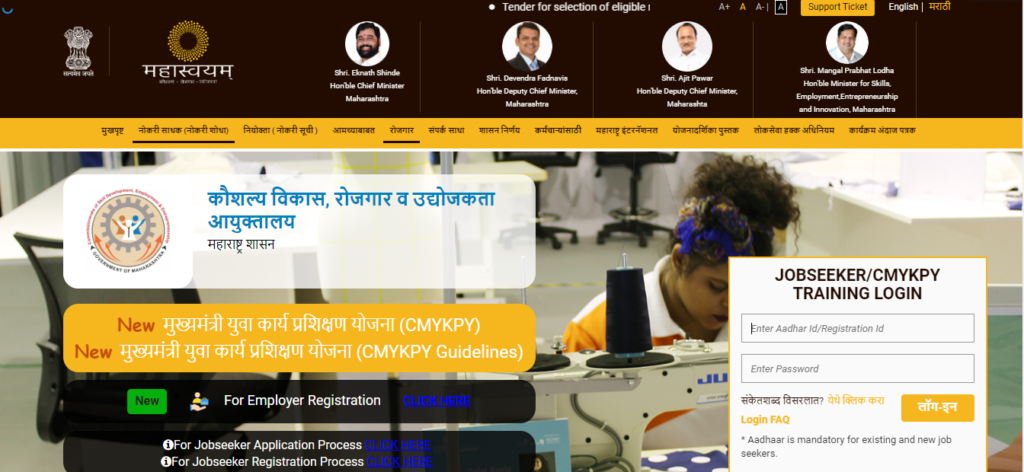
Step 2: On the homepage, click on the Register option.
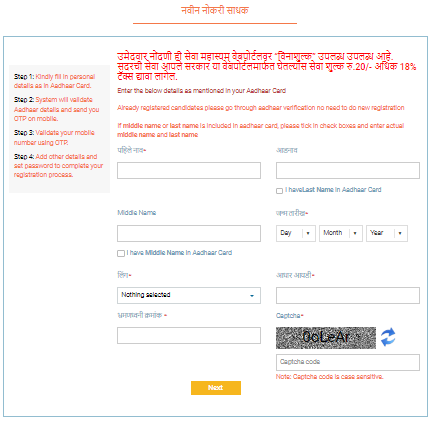
Step 3: A new page will appear where applicants must fill in all the required details such as name, age, address, educational qualifications, and income details.
Step 4: Upload the necessary documents (Aadhar Card, Income Certificate, etc.).
Step 5: After entering all the details, review the information to ensure accuracy, then click on the Submit button to complete the application process.
Once submitted, eligible applicants will be considered for the financial assistance offered under the Ladla Bhai Yojana Maharashtra.
Also Read: ladki bahin maharashtra gov in 2024: Registration and Login Official Website- How To Apply
Contact Information
For further inquiries regarding the Ladla Bhai Yojana Maharashtra, applicants can contact the authorities via email:
- Email: prashantviroja43@gmail.com
10 Frequently Asked Questions (FAQs) about Ladla Bhai Yojana Maharashtra
1. What is the Ladla Bhai Yojana Maharashtra?
The Ladla Bhai Yojana is a financial assistance program launched by the Maharashtra state government to support unemployed male students who have completed their education, offering them monthly stipends to help cover their living expenses.
2. Who is eligible for the Ladla Bhai Yojana?
Male citizens of Maharashtra who have completed their Class 12th, Diploma, or Graduation, and are between the ages of 18 and 34, are eligible to apply.
3. What financial assistance is provided under the Ladla Bhai Yojana?
Financial assistance is provided as follows:
- ₹6000 per month for Class 12th pass students
- ₹8000 per month for Diploma holders
- ₹10,000 per month for Graduates
4. How can I apply for the Ladla Bhai Yojana Maharashtra?
You can apply online by visiting the Rojgar Mahaswayam Portal, filling in the required details, and submitting the necessary documents.
5. What is the age limit for Ladla Bhai Yojana Maharashtra?
The scheme is open to male citizens between the ages of 18 to 34 years.
6. Do I need to provide income proof to apply?
Yes, you must submit an Income Certificate to prove that you belong to a financially weaker section of society.
7. Is this scheme available for female students?
No, the Ladla Bhai Yojana is specifically designed for male students. However, there are other schemes such as the Ladli Behna Yojana for female students.
8. Is there any specific educational qualification required?
Yes, you must have completed either your Class 12th, Diploma, or Graduation to be eligible for this scheme.
9. What documents are needed to apply for the Ladla Bhai Yojana?
Required documents include an Aadhar Card, Income Certificate, Address Proof, Domicile Certificate, Educational Qualification Certificates, and Age Proof.
10. When will I start receiving financial assistance?
Once your application is processed and approved, the financial assistance will be transferred directly to your bank account.
Conclusion
The Ladla Bhai Yojana Maharashtra is a commendable initiative by the state government to provide financial support to unemployed male students who have completed their education. The scheme offers monetary relief that can help these individuals meet their daily expenses while they seek employment or further opportunities. By reducing financial stress, the scheme empowers young men to focus on their career development without the immediate pressure of financial instability. Interested applicants are encouraged to review the eligibility criteria carefully and apply online through the Rojgar Mahaswayam Portal to avail the benefits of this forward-thinking scheme.
Post In Hindi
लाडला भाई योजना महाराष्ट्र पात्रता और आयु सीमा: लाभ प्राप्त करने के लिए
लाडला भाई योजना पात्रता (Maharashtra Eligibility): महाराष्ट्र राज्य सरकार ने लाडली बहना योजना की अत्यधिक सकारात्मक प्रतिक्रिया के बाद लाडला भाई योजना महाराष्ट्र शुरू की है। इस योजना के तहत, महाराष्ट्र राज्य सरकार उन सभी पुरुष छात्रों को वित्तीय सहायता प्रदान करेगी, जिन्होंने कक्षा 12वीं और डिग्री कार्यक्रम पूरे कर लिए हैं। इस योजना का उद्देश्य उन छात्रों को आर्थिक मदद प्रदान करना है जिन्होंने हाल ही में अपनी शिक्षा पूरी की है और वे इस योजना के तहत वित्तीय सहायता प्राप्त करने के पात्र हैं। महाराष्ट्र राज्य के सभी पुरुष नागरिक जो पात्रता मानदंडों को पूरा करते हैं, उन्हें आधिकारिक वेबसाइट पर जाकर ऑनलाइन आवेदन पत्र भरना होगा।
लाडला भाई योजना की पात्रता और आयु सीमा
| योजना का नाम | लाडला भाई योजना महाराष्ट्र |
|---|---|
| शुरू करने वाला | महाराष्ट्र राज्य सरकार |
| उद्देश्य | 12वीं और डिग्री पूरा करने वाले पुरुष छात्रों को वित्तीय सहायता प्रदान करना |
| लाभार्थी | महाराष्ट्र राज्य के पुरुष छात्र |
| आवेदन प्रक्रिया | आधिकारिक वेबसाइट के माध्यम से ऑनलाइन आवेदन |
लाडला भाई योजना का उद्देश्य
लाडला भाई योजना का मुख्य उद्देश्य उन पुरुष छात्रों को आर्थिक सहायता प्रदान करना है जिन्होंने कक्षा 12वीं और स्नातक की शिक्षा पूरी कर ली है। यह योजना उन छात्रों को आत्मनिर्भर बनाने के लिए बनाई गई है ताकि वे अपने आगे की शिक्षा या व्यवसाय में निवेश कर सकें।
योजना के माध्यम से, सरकार यह सुनिश्चित करना चाहती है कि छात्रों के पास करियर के विकल्पों में आगे बढ़ने के लिए पर्याप्त वित्तीय संसाधन हों। यह योजना विशेष रूप से उन छात्रों के लिए है जिनके पास शिक्षा पूरी करने के बाद आर्थिक संसाधनों की कमी है।
लाडला भाई योजना के लाभ
- वित्तीय सहायता: इस योजना के तहत, हाल ही में कक्षा 12वीं और डिग्री पूरा करने वाले छात्रों को सरकार की ओर से वित्तीय सहायता प्रदान की जाएगी।
- आर्थिक सहायता प्राप्त करने की पात्रता: जिन छात्रों ने अपनी पढ़ाई पूरी की है और जो पात्रता मानदंडों को पूरा करते हैं, वे इस योजना के तहत लाभ उठा सकते हैं।
- आवेदन प्रक्रिया ऑनलाइन: सभी पात्र उम्मीदवार आधिकारिक वेबसाइट के माध्यम से आसानी से ऑनलाइन आवेदन कर सकते हैं।
- स्वतंत्रता और आत्मनिर्भरता: इस योजना का उद्देश्य छात्रों को आत्मनिर्भर बनाना है ताकि वे आर्थिक रूप से स्वतंत्र हो सकें और अपने करियर या व्यवसाय में निवेश कर सकें।
- सीधे बैंक खाते में हस्तांतरण: चयनित उम्मीदवारों को वित्तीय सहायता सीधे उनके बैंक खातों में स्थानांतरित की जाएगी।
लाडला भाई योजना के तहत पात्रता
- नागरिकता: आवेदक महाराष्ट्र राज्य का स्थायी निवासी होना चाहिए।
- शैक्षणिक योग्यता: आवेदक को कक्षा 12वीं और डिग्री कार्यक्रम पूरा करना आवश्यक है।
- लिंग: यह योजना केवल पुरुष छात्रों के लिए है।
- आयु सीमा: आवेदन करने के लिए कोई आयु सीमा निर्धारित नहीं की गई है, लेकिन छात्र की शिक्षा हाल ही में पूरी होनी चाहिए।
- अन्य शर्तें: आवेदक को सरकार द्वारा निर्धारित अन्य सभी पात्रता मानदंडों को पूरा करना होगा।
आवश्यक दस्तावेज़
- आधार कार्ड
- मोबाइल नंबर
- ईमेल आईडी
- पता प्रमाण पत्र
- शिक्षा प्रमाण पत्र (12वीं और स्नातक की डिग्री)
- बैंक खाता विवरण
लाडला भाई योजना आवेदन प्रक्रिया
- चरण 1: जो भी छात्र इस योजना के लिए आवेदन करना चाहते हैं, उन्हें आधिकारिक वेबसाइट पर जाना होगा।
- चरण 2: वेबसाइट के होमपेज पर “रजिस्टर” या “आवेदन करें” विकल्प पर क्लिक करें।
- चरण 3: नए पेज पर, आवेदक को अपना नाम, जन्म तिथि, लिंग, आधार कार्ड नंबर और पंजीकृत मोबाइल नंबर जैसी जानकारी दर्ज करनी होगी।
- चरण 4: जानकारी दर्ज करने के बाद, आवेदक को “नेक्स्ट” विकल्प पर क्लिक करना होगा।
- चरण 5: आवेदक के पंजीकृत मोबाइल नंबर पर एक ओटीपी भेजा जाएगा, जिसे दर्ज करने के बाद वे आगे की प्रक्रिया पूरी कर सकते हैं।
- चरण 6: सभी आवश्यक दस्तावेज़ों को अपलोड करने के बाद, आवेदक को “सबमिट” पर क्लिक करना होगा।
- चरण 7: आवेदन सफलतापूर्वक जमा होने के बाद, आवेदक को पुष्टि संदेश प्राप्त होगा।
लाडला भाई योजना के मुख्य लाभ
लाडला भाई योजना महाराष्ट्र राज्य के छात्रों के लिए एक महत्वपूर्ण योजना है। यह योजना उनके शैक्षणिक करियर के बाद आने वाली आर्थिक चुनौतियों को दूर करने में सहायक होगी। इस योजना के माध्यम से छात्र अपने करियर के अगले चरण की योजना बना सकते हैं और आवश्यक आर्थिक सहायता प्राप्त कर सकते हैं।
लाडला भाई योजना के लिए चयन प्रक्रिया
- ऑनलाइन आवेदन पत्र भरने के बाद, आवेदन की समीक्षा की जाएगी।
- पात्रता मानदंडों को पूरा करने वाले छात्रों का चयन किया जाएगा।
- चयनित छात्रों की सूची आधिकारिक वेबसाइट पर प्रकाशित की जाएगी।
- चयनित छात्रों को वित्तीय सहायता उनके बैंक खाते में स्थानांतरित कर दी जाएगी।
लाडला भाई योजना से लाभ प्राप्त करने के लिए महत्वपूर्ण जानकारी
- यह योजना विशेष रूप से महाराष्ट्र राज्य के छात्रों के लिए है, और इसमें केवल पुरुष छात्रों को ही शामिल किया गया है।
- इस योजना का उद्देश्य छात्रों को वित्तीय सहायता प्रदान कर उनके करियर की दिशा में प्रगति को प्रोत्साहित करना है।
- आवेदन प्रक्रिया पूरी तरह से ऑनलाइन है, जिससे छात्रों के लिए आवेदन करना आसान और सुविधाजनक हो जाता है।
- योजना का लाभ केवल उन्हीं छात्रों को मिलेगा जिन्होंने कक्षा 12वीं और स्नातक की पढ़ाई पूरी कर ली है।
अक्सर पूछे जाने वाले प्रश्न (FAQs)
- लाडला भाई योजना के तहत कौन पात्र है?
- लाडला भाई योजना के तहत, केवल महाराष्ट्र राज्य के स्थायी निवासी और जिन्होंने कक्षा 12वीं और डिग्री कार्यक्रम पूरा कर लिया है, वे पुरुष छात्र पात्र हैं।
- लाडला भाई योजना के लिए आवेदन कैसे करें?
- आवेदक को आधिकारिक वेबसाइट पर जाकर ऑनलाइन आवेदन पत्र भरना होगा। इसमें सभी आवश्यक जानकारी और दस्तावेज़ों को अपलोड करना होगा।
- क्या इस योजना में महिला छात्रों को भी शामिल किया गया है?
- नहीं, यह योजना केवल पुरुष छात्रों के लिए है। महिला छात्रों के लिए लाडली बहना योजना पहले से उपलब्ध है।
- लाडला भाई योजना के तहत कितनी वित्तीय सहायता प्रदान की जाती है?
- योजना के तहत दी जाने वाली वित्तीय सहायता की सटीक राशि योजना की शर्तों और आवेदक की पात्रता के आधार पर तय की जाएगी।
- आवेदन के लिए कौन से दस्तावेज़ आवश्यक हैं?
- आधार कार्ड, शिक्षा प्रमाण पत्र, पता प्रमाण पत्र, बैंक खाता विवरण, और मोबाइल नंबर जैसे दस्तावेज़ों की आवश्यकता होती है।
- लाडला भाई योजना का उद्देश्य क्या है?
- इस योजना का उद्देश्य महाराष्ट्र के पुरुष छात्रों को आर्थिक सहायता प्रदान करना है ताकि वे अपनी शिक्षा पूरी करने के बाद आत्मनिर्भर बन सकें और अपने करियर की दिशा में आगे बढ़ सकें।
- क्या लाडला भाई योजना के तहत आयु सीमा निर्धारित है?
- योजना के तहत कोई विशेष आयु सीमा निर्धारित नहीं की गई है, लेकिन आवेदक को हाल ही में शिक्षा पूरी की होनी चाहिए।
- लाडला भाई योजना के तहत कितने समय में सहायता मिलेगी?
- आवेदन प्रक्रिया पूरी होने और चयनित होने के बाद, वित्तीय सहायता सीधे आवेदक के बैंक खाते में स्थानांतरित की जाएगी।
- लाडला भाई योजना का लाभ किसे नहीं मिलेगा?
- जो छात्र कक्षा 12वीं और स्नातक की पढ़ाई पूरी नहीं कर पाए हैं, वे इस योजना के लिए पात्र नहीं होंगे। इसके अलावा, यह योजना केवल पुरुष छात्रों के लिए है।
- क्या लाडला भाई योजना के तहत ऋण दिया जाएगा या अनुदान?
- लाडला भाई योजना के तहत सरकार की ओर से आर्थिक सहायता के रूप में अनुदान प्रदान किया जाएगा, न कि ऋण।
निष्कर्ष
लाडला भाई योजना महाराष्ट्र राज्य के छात्रों के लिए एक अत्यंत महत्वपूर्ण योजना है। यह योजना उन छात्रों के लिए आर्थिक सहायता प्रदान करती है जिन्होंने अपनी शिक्षा पूरी कर ली है और करियर की दिशा में आगे बढ़ना चाहते हैं। इस योजना का उद्देश्य छात्रों को आत्मनिर्भर बनाना है और उन्हें भविष्य में आत्मनिर्भरता की दिशा में प्रोत्साहित करना है। योजना की आवेदन प्रक्रिया सरल और ऑनलाइन है, जिससे छात्रों के लिए इसका लाभ उठाना आसान हो जाता है। इस योजना से न केवल छात्रों को आर्थिक मदद मिलेगी, बल्कि इससे उन्हें करियर में नए अवसरों का भी लाभ मिलेगा।