पोस्ट को हिंदी में पढ़ने के लिए यहाँ क्लिक करें।
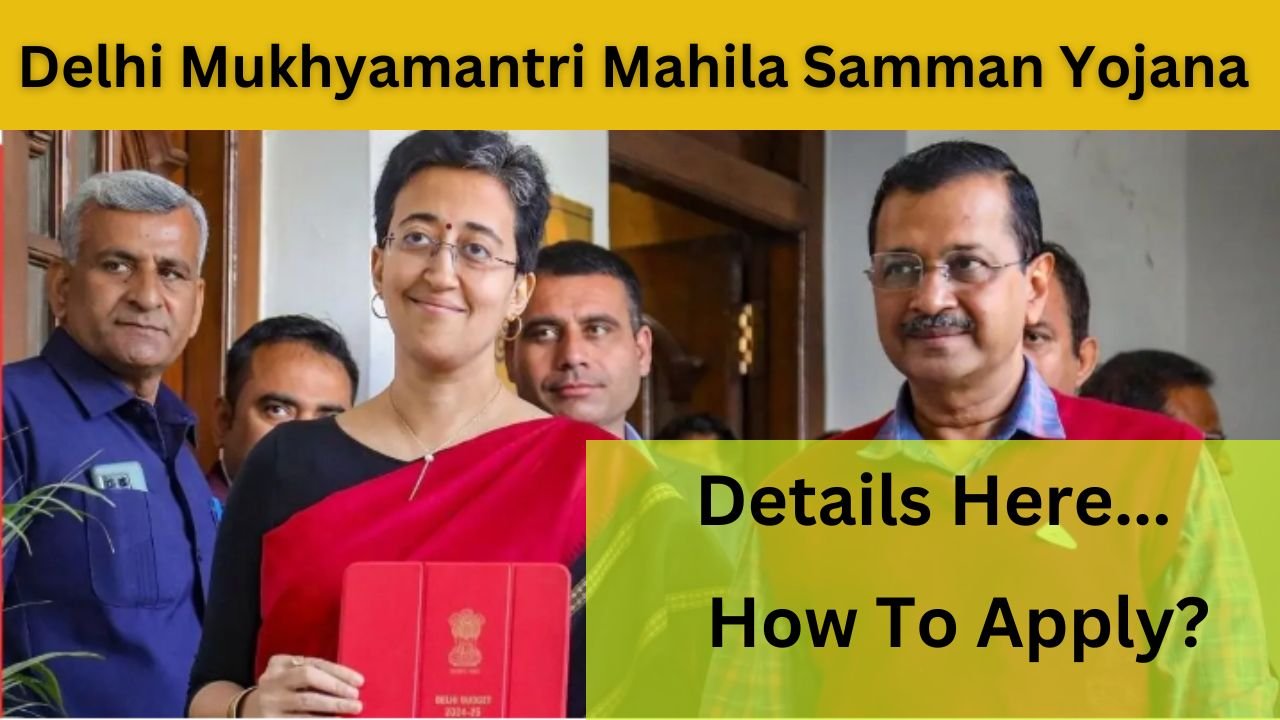
The Delhi Government, under the leadership of Chief Minister Atishi Marlena, is preparing to launch the Delhi Mukhyamantri Mahila Samman Yojana 2024. This scheme aims to provide financial assistance to women between the ages of 18 and 60, offering Rs. 1,000 per month. The initiative specifically targets women from economically weaker sections, with an annual family income of less than Rs. 2.5 lakh. According to reports, the scheme is in its final stages of preparation and is expected to be presented to the cabinet for approval within the next few weeks. It is anticipated that the scheme will be launched after the Haryana elections.
Announced in the Delhi annual budget for the financial year 2024-25, this scheme is poised to benefit approximately 50 lakh women in Delhi. By providing this financial aid, the Delhi government seeks to enhance the economic independence of women, promote gender equality, and improve their social standing.
Key Objectives of the Delhi Mukhyamantri Mahila Samman Yojana
The Delhi Mukhyamantri Mahila Samman Yojana has several key objectives:
- Financial Assistance: The scheme offers Rs. 1,000 per month to women aged 18 to 60 from families with an annual income of less than Rs. 2.5 lakh.
- Economic Independence: By providing monthly financial aid, the scheme aims to reduce the financial burden on women, making them more economically independent.
- Support for EWS Families: The scheme is specifically designed to support women from economically weaker sections, ensuring they receive financial backing to enhance their livelihoods.
- Promotion of Self-Employment: The financial assistance is also aimed at promoting self-employment opportunities for women, thus enabling them to improve their economic conditions.
- Gender Equality: This initiative is also a step toward promoting gender equality and improving the social status of women in Delhi.
Quick Overview of the Delhi Mukhyamantri Mahila Samman Yojana
| Scheme Name | Delhi Mukhyamantri Mahila Samman Yojana 2024 |
|---|---|
| Launched By | Government of Delhi |
| Announced By | Chief Minister Atishi Marlena |
| Objective | Provide financial assistance to economically weaker women and promote their economic independence |
| Target Beneficiaries | Women aged 18 to 60 |
| Estimated Beneficiaries | Approximately 50 lakh women |
| Benefit | Rs. 1,000 per month for eligible women |
| Annual Budget Allocation | Rs. 2,000 crore for the financial year 2024-25 |
| Implementation Timeline | Expected to launch after Haryana polls, with cabinet approval in 2-3 weeks |
| State | Delhi |
| Year | 2024 |
| Mode of Application | Online application process to ensure ease and transparency |
| Official Website | To be released soon |
Eligibility Criteria for Delhi Mukhyamantri Mahila Samman Yojana
To avail the benefits of the Delhi Mukhyamantri Mahila Samman Yojana 2024, applicants must meet the following eligibility criteria:
- Permanent Residency: Applicants must be permanent residents of Delhi.
- Age: The scheme is open to women aged between 18 and 60 years.
- Income Limit: The annual family income of applicants should be less than Rs. 2.5 lakh.
- Bank Account: Applicants must have a valid bank account for the direct transfer of financial assistance.
- Valid Identification Documents: Applicants must possess essential identification documents, such as an Aadhar Card, to qualify.
Also Read: Udyogini Scheme for Women Entrepreneurs 2024: How to Apply Online
Required Documents for Application
To successfully apply for the Delhi Mukhyamantri Mahila Samman Yojana, applicants must provide the following documents:
- Aadhar Card for identification.
- PAN Card for financial verification.
- Voter ID Card as proof of residency.
- Income Certificate to validate income eligibility.
- Caste Certificate (if applicable).
- Birth Certificate as proof of age.
- Bank Passbook for the direct transfer of funds.
- Passport-sized Photograph for official purposes.
- Mobile Number for communication and OTP verification.
Financial Assistance
The Delhi Mukhyamantri Mahila Samman Yojana will provide financial assistance of Rs. 1,000 per month to eligible women. The financial aid will be transferred directly into the bank accounts of the beneficiaries through the Direct Benefit Transfer (DBT) system, ensuring that the process is transparent and efficient.
This financial support is expected to reduce the financial burden on women, especially those from economically weaker sections, and empower them to be more financially independent. The Rs. 1,000 monthly assistance is a crucial step toward supporting the women of Delhi and helping them meet their day-to-day financial needs.
Selection of Beneficiaries
The selection process for beneficiaries under the Delhi Mukhyamantri Mahila Samman Yojana will follow a systematic approach:
- Eligibility Verification: Women aged 18 to 60, who reside in Delhi and belong to families with an annual income below Rs. 2.5 lakh, will be considered for selection.
- Online Application Submission: Eligible women will have to submit their applications online through an official government portal (to be announced).
- Document Verification: The applications will be verified based on the submitted documents, such as income proof, identification, and residency.
- Direct Benefit Transfer: Once verified, the eligible beneficiaries will be enrolled in the scheme, and the financial assistance will be transferred directly to their bank accounts through DBT.
Application Process
The Delhi Mukhyamantri Mahila Samman Yojana is expected to launch soon after the Haryana elections. The scheme is currently in its final stages of preparation and is awaiting cabinet approval, which is expected within the next 2-3 weeks. An official launch date will be announced once the cabinet approves the scheme.
The Delhi government is set to roll out an online application process, making it easier for eligible women to apply. This system will also ensure transparency in the selection process. Applicants are advised to stay updated through official government channels for the latest information on the application procedure. Once the online platform is live, eligible women can submit their applications to avail the benefits of the scheme.
Frequently Asked Questions (FAQs)
- What is the Delhi Mukhyamantri Mahila Samman Yojana?The Delhi Mukhyamantri Mahila Samman Yojana is a financial assistance scheme launched by the Delhi government. It aims to provide Rs. 1,000 per month to economically weaker women aged between 18 and 60 to promote their financial independence and improve their economic conditions.
- Who is eligible to apply for the scheme?Women aged 18 to 60 who are permanent residents of Delhi and have an annual family income of less than Rs. 2.5 lakh are eligible to apply for the scheme. Additionally, they must possess valid identification documents and have a bank account.
- When will the scheme be launched?The scheme is expected to be launched soon after the Haryana elections. It is currently in its final stages of preparation, and cabinet approval is anticipated within the next 2-3 weeks.
- What are the key benefits of the scheme?The key benefit of the scheme is the monthly financial assistance of Rs. 1,000 to eligible women. This financial aid is aimed at supporting economically weaker women and promoting their self-sufficiency.
- How can I apply for the Delhi Mukhyamantri Mahila Samman Yojana?Eligible women can apply for the scheme through an online application process, which will be available on an official government portal (to be announced). The process is designed to ensure ease of access and transparency.
- What documents are required to apply for the scheme?Applicants will need to provide several documents, including an Aadhar Card, PAN Card, Income Certificate, Caste Certificate (if applicable), Voter ID Card, Birth Certificate, Bank Passbook, Passport-sized photograph, and a mobile number.
- How will the financial assistance be disbursed?The financial assistance will be disbursed through the Direct Benefit Transfer (DBT) system. The amount will be directly transferred to the bank accounts of eligible beneficiaries.
- Is the scheme only for women from economically weaker sections?Yes, the scheme is specifically designed for women from families with an annual income of less than Rs. 2.5 lakh. Women from all income backgrounds are not eligible to apply.
- How many women are expected to benefit from this scheme?Approximately 50 lakh women in Delhi are expected to benefit from the Delhi Mukhyamantri Mahila Samman Yojana.
- What is the annual budget allocated for the scheme?The Delhi government has allocated Rs. 2,000 crore for the financial year 2024-25 to fund the Delhi Mukhyamantri Mahila Samman Yojana.
Conclusion
The Delhi Mukhyamantri Mahila Samman Yojana is a significant initiative by the Delhi Government aimed at empowering economically weaker women through financial assistance. With the provision of Rs. 1,000 per month, this scheme is expected to make a notable impact on the lives of approximately 50 lakh women in Delhi. By promoting economic independence and gender equality, the scheme not only supports women financially but also encourages their overall socio-economic upliftment. Interested women should stay updated on the official announcements regarding the scheme’s launch and application process.
Post In Hindi
दिल्ली मुख्यमंत्री महिला सम्मान योजना 2024: ऑनलाइन आवेदन, पात्रता और लाभ
दिल्ली सरकार, मुख्यमंत्री आतिशी मार्लेना के नेतृत्व में, दिल्ली मुख्यमंत्री महिला सम्मान योजना 2024 लॉन्च करने की तैयारी कर रही है। इस योजना का उद्देश्य 18 से 60 वर्ष की महिलाओं को वित्तीय सहायता प्रदान करना है, जिसमें प्रत्येक महिला को प्रति माह 1,000 रुपये मिलेंगे। यह पहल आर्थिक रूप से कमजोर वर्गों (EWS) की महिलाओं को लक्षित करती है, जिनकी वार्षिक पारिवारिक आय 2.5 लाख रुपये से कम है। रिपोर्टों के अनुसार, यह योजना अपने अंतिम चरण में है और इसे अगले कुछ हफ्तों में कैबिनेट की मंजूरी के लिए प्रस्तुत किया जाएगा। हरियाणा चुनावों के बाद इस योजना के शुरू होने की संभावना है।
2024-25 के वित्तीय वर्ष के लिए दिल्ली के वार्षिक बजट में इस योजना की घोषणा की गई थी, जिससे दिल्ली की लगभग 50 लाख महिलाओं को लाभ मिलने की संभावना है। इस वित्तीय सहायता के माध्यम से, दिल्ली सरकार महिलाओं की आर्थिक स्वतंत्रता को बढ़ावा देने, लैंगिक समानता को प्रोत्साहित करने और उनके सामाजिक स्थिति में सुधार लाने का प्रयास कर रही है।
दिल्ली मुख्यमंत्री महिला सम्मान योजना के मुख्य उद्देश्य
1. वित्तीय सहायता: यह योजना 18 से 60 वर्ष की महिलाओं को प्रति माह 1,000 रुपये की सहायता प्रदान करती है, जिनकी पारिवारिक आय 2.5 लाख रुपये से कम है।
2. आर्थिक स्वतंत्रता: मासिक वित्तीय सहायता के माध्यम से महिलाओं पर आर्थिक बोझ कम करने और उन्हें आर्थिक रूप से स्वतंत्र बनाने का लक्ष्य।
3. EWS परिवारों के लिए सहायता: यह योजना आर्थिक रूप से कमजोर वर्ग की महिलाओं को समर्थन प्रदान करने के लिए डिज़ाइन की गई है, ताकि वे अपने जीवन स्तर को बेहतर बना सकें।
4. स्वरोज़गार को बढ़ावा: यह वित्तीय सहायता महिलाओं को स्वरोज़गार के अवसरों को बढ़ावा देने के लिए भी दी जा रही है, जिससे वे अपने आर्थिक हालात सुधार सकें।
5. लैंगिक समानता का प्रोत्साहन: यह पहल लैंगिक समानता को प्रोत्साहित करने और दिल्ली की महिलाओं की सामाजिक स्थिति को सुधारने की दिशा में भी एक कदम है।
दिल्ली मुख्यमंत्री महिला सम्मान योजना की संक्षिप्त जानकारी
| योजना का नाम | दिल्ली मुख्यमंत्री महिला सम्मान योजना 2024 |
|---|---|
| शुरू की गई | दिल्ली सरकार |
| घोषणा | मुख्यमंत्री आतिशी मार्लेना |
| उद्देश्य | आर्थिक रूप से कमजोर महिलाओं को वित्तीय सहायता |
| लक्षित लाभार्थी | 18 से 60 वर्ष की महिलाएँ |
| अनुमानित लाभार्थी | लगभग 50 लाख महिलाएँ |
| लाभ | पात्र महिलाओं को प्रति माह 1,000 रुपये |
| वार्षिक बजट आवंटन | 2024-25 वित्तीय वर्ष के लिए 2,000 करोड़ रुपये |
| क्रियान्वयन समयसीमा | हरियाणा चुनावों के बाद लॉन्च होने की संभावना |
| राज्य | दिल्ली |
| वर्ष | 2024 |
| आवेदन प्रक्रिया | ऑनलाइन आवेदन |
| आधिकारिक वेबसाइट | जल्द जारी की जाएगी |
दिल्ली मुख्यमंत्री महिला सम्मान योजना के लिए पात्रता मानदंड
इस योजना का लाभ प्राप्त करने के लिए आवेदकों को निम्नलिखित पात्रता मानदंडों को पूरा करना होगा:
- स्थायी निवास: आवेदक दिल्ली के स्थायी निवासी होने चाहिए।
- आयु: यह योजना 18 से 60 वर्ष की महिलाओं के लिए खुली है।
- आय सीमा: आवेदकों की वार्षिक पारिवारिक आय 2.5 लाख रुपये से कम होनी चाहिए।
- बैंक खाता: आवेदकों के पास वित्तीय सहायता के सीधे हस्तांतरण के लिए एक वैध बैंक खाता होना चाहिए।
- वैध पहचान दस्तावेज़: आवेदकों के पास आधार कार्ड जैसे आवश्यक पहचान पत्र होने चाहिए।
आवश्यक दस्तावेज़
आवेदन करने के लिए आवेदकों को निम्नलिखित दस्तावेज़ जमा करने होंगे:
- आधार कार्ड (पहचान के लिए)
- पैन कार्ड (वित्तीय सत्यापन के लिए)
- मतदाता पहचान पत्र (निवास प्रमाण के लिए)
- आय प्रमाण पत्र (आय की पात्रता के लिए)
- जाति प्रमाण पत्र (यदि लागू हो)
- जन्म प्रमाण पत्र (आयु प्रमाण के लिए)
- बैंक पासबुक (धन हस्तांतरण के लिए)
- पासपोर्ट आकार का फोटो (आधिकारिक उद्देश्यों के लिए)
- मोबाइल नंबर (संचार और ओटीपी सत्यापन के लिए)
वित्तीय सहायता
इस योजना के तहत पात्र महिलाओं को प्रति माह 1,000 रुपये की वित्तीय सहायता दी जाएगी। यह सहायता प्रत्यक्ष लाभ हस्तांतरण (DBT) प्रणाली के माध्यम से सीधे लाभार्थियों के बैंक खातों में हस्तांतरित की जाएगी, जिससे प्रक्रिया पारदर्शी और कुशल हो सके।
लाभार्थियों का चयन
चयन प्रक्रिया: महिलाओं की पात्रता की पुष्टि होने के बाद, उन्हें योजना में शामिल किया जाएगा, और सहायता राशि DBT प्रणाली के माध्यम से उनके बैंक खाते में हस्तांतरित की जाएगी।
आवेदन प्रक्रिया
आवेदन प्रक्रिया की जानकारी के लिए सरकार द्वारा जारी किए जाने वाले आधिकारिक चैनल्स पर नज़र रखें।
आवेदन प्रक्रिया (जारी)
दिल्ली मुख्यमंत्री महिला सम्मान योजना के लिए आवेदन प्रक्रिया को सरल और पारदर्शी बनाने के लिए ऑनलाइन आवेदन प्रणाली का उपयोग किया जाएगा। पात्र महिलाएं एक आधिकारिक सरकारी पोर्टल के माध्यम से आवेदन कर सकेंगी, जिसे जल्द ही लॉन्च किया जाएगा। आवेदन प्रक्रिया शुरू होते ही, उम्मीदवार पोर्टल पर आवश्यक दस्तावेज़ अपलोड कर अपने आवेदन जमा कर सकेंगे।
यह प्रक्रिया इस प्रकार होगी:
- ऑनलाइन पोर्टल: दिल्ली सरकार एक आधिकारिक वेबसाइट लॉन्च करेगी, जहां महिलाएं योजना के लिए आवेदन कर सकेंगी।
- आवेदन जमा करना: पात्र महिलाएं अपनी जानकारी और आवश्यक दस्तावेज़ अपलोड कर आवेदन जमा करेंगी।
- दस्तावेज़ सत्यापन: सरकारी अधिकारी आवेदन पत्र और दस्तावेज़ों की जांच करेंगे।
- पात्रता की पुष्टि: जांच पूरी होने के बाद, पात्र महिलाओं को योजना में शामिल किया जाएगा।
- धन हस्तांतरण: चयनित लाभार्थियों को प्रति माह 1,000 रुपये की वित्तीय सहायता सीधे उनके बैंक खातों में भेजी जाएगी।
अक्सर पूछे जाने वाले प्रश्न (FAQs)
1. दिल्ली मुख्यमंत्री महिला सम्मान योजना क्या है?
यह दिल्ली सरकार द्वारा शुरू की गई एक वित्तीय सहायता योजना है, जिसमें 18 से 60 वर्ष की आर्थिक रूप से कमजोर महिलाओं को प्रति माह 1,000 रुपये दिए जाएंगे, ताकि उनकी आर्थिक स्थिति में सुधार हो सके और वे स्वतंत्र रूप से जीवन जी सकें।
2. इस योजना के लिए कौन पात्र है?
इस योजना के लिए आवेदन करने के लिए महिलाएं 18 से 60 वर्ष के बीच होनी चाहिए, उनकी वार्षिक पारिवारिक आय 2.5 लाख रुपये से कम होनी चाहिए, और वे दिल्ली की स्थायी निवासी होनी चाहिए। इसके अलावा, उनके पास वैध पहचान पत्र और बैंक खाता होना आवश्यक है।
3. इस योजना का शुभारंभ कब होगा?
यह योजना हरियाणा चुनावों के बाद लॉन्च की जाएगी। फिलहाल योजना के लिए कैबिनेट की मंजूरी की प्रतीक्षा की जा रही है, और इसकी घोषणा अगले 2-3 हफ्तों में हो सकती है।
4. योजना के प्रमुख लाभ क्या हैं?
इस योजना का प्रमुख लाभ पात्र महिलाओं को प्रति माह 1,000 रुपये की वित्तीय सहायता प्रदान करना है, जो उनके आर्थिक और सामाजिक उत्थान में मदद करेगा।
5. मैं योजना के लिए कैसे आवेदन कर सकती हूँ?
इस योजना के लिए आवेदन ऑनलाइन पोर्टल के माध्यम से किया जाएगा, जिसे सरकार द्वारा जल्द ही लॉन्च किया जाएगा। पात्र महिलाएं पोर्टल पर जाकर आवेदन पत्र भर सकती हैं और आवश्यक दस्तावेज़ अपलोड कर सकती हैं।
6. आवेदन के लिए कौन से दस्तावेज़ आवश्यक हैं?
आधार कार्ड, पैन कार्ड, आय प्रमाण पत्र, जाति प्रमाण पत्र (यदि लागू हो), मतदाता पहचान पत्र, जन्म प्रमाण पत्र, बैंक पासबुक, पासपोर्ट आकार का फोटो, और मोबाइल नंबर आवेदन के लिए आवश्यक हैं।
7. वित्तीय सहायता कैसे वितरित की जाएगी?
वित्तीय सहायता प्रत्यक्ष लाभ हस्तांतरण (DBT) प्रणाली के माध्यम से सीधे लाभार्थियों के बैंक खातों में हस्तांतरित की जाएगी।
8. क्या यह योजना केवल आर्थिक रूप से कमजोर महिलाओं के लिए है?
हाँ, यह योजना विशेष रूप से उन महिलाओं के लिए डिज़ाइन की गई है, जिनकी वार्षिक पारिवारिक आय 2.5 लाख रुपये से कम है।
9. कितनी महिलाओं को इस योजना का लाभ मिलेगा?
इस योजना के तहत लगभग 50 लाख महिलाओं को लाभ मिलने की उम्मीद है।
10. इस योजना के लिए वार्षिक बजट कितना है?
दिल्ली सरकार ने 2024-25 वित्तीय वर्ष के लिए इस योजना के लिए 2,000 करोड़ रुपये का बजट आवंटित किया है।
निष्कर्ष
दिल्ली मुख्यमंत्री महिला सम्मान योजना 2024 महिलाओं को आर्थिक रूप से सशक्त बनाने और उनके जीवन स्तर में सुधार करने की एक महत्वपूर्ण पहल है। प्रति माह 1,000 रुपये की वित्तीय सहायता के साथ, यह योजना दिल्ली की लगभग 50 लाख महिलाओं के जीवन पर सकारात्मक प्रभाव डालने की उम्मीद है। आर्थिक स्वतंत्रता और लैंगिक समानता को बढ़ावा देने के साथ-साथ, यह योजना महिलाओं को सशक्त और आत्मनिर्भर बनाने में सहायक होगी। पात्र महिलाएं जल्द ही ऑनलाइन आवेदन प्रक्रिया के बारे में जानकारी प्राप्त कर सकती हैं और इस योजना का लाभ उठा सकती हैं।