पोस्ट को हिंदी में पढ़ने के लिए यहाँ क्लिक करें।
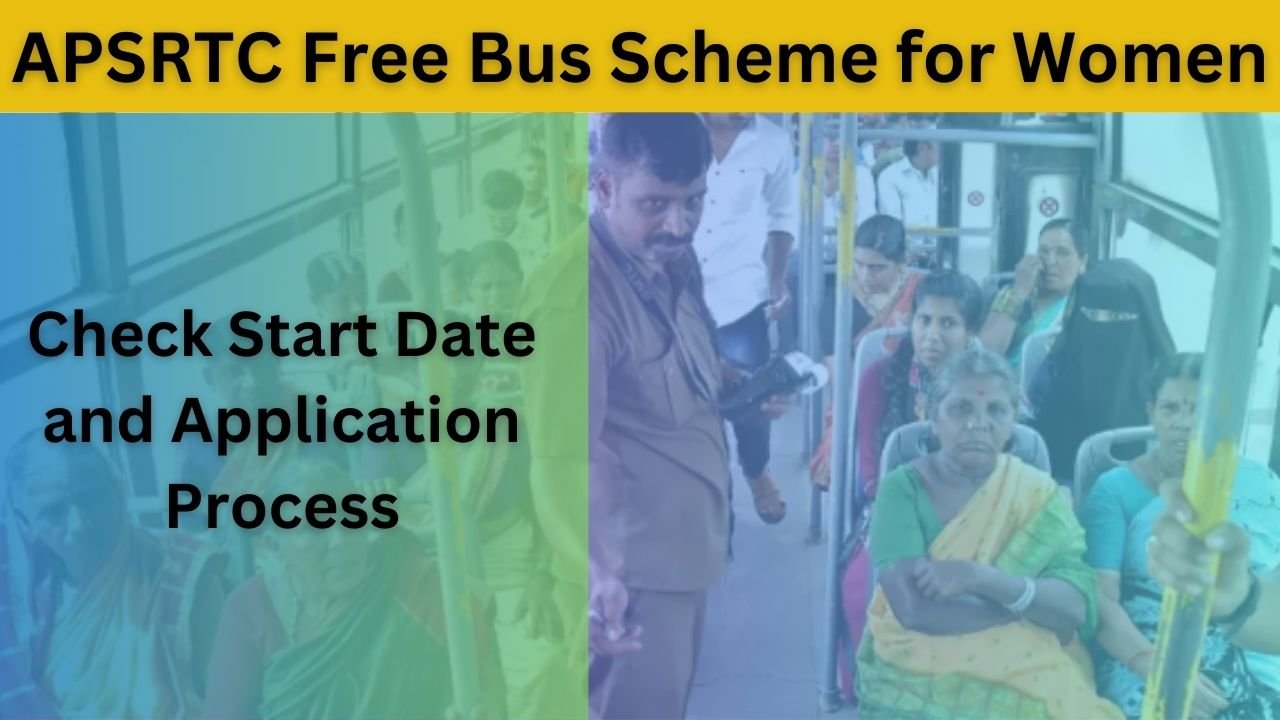
APSRTC Free Bus Scheme for Women: The Andhra Pradesh State Government has launched the much-anticipated APSRTC Free Bus Scheme for Women 2024. This initiative aims to provide free transportation services to the female citizens of Andhra Pradesh, enabling them to travel safely and cost-effectively across the state. Announced by the Minister for Transport, Sports, and Youth Services, Mr. Mandipalli Ramprasad Reddy, the scheme is set to be implemented within a month and will first roll out in Visakhapatnam. The program is part of the government’s larger effort to promote public transport, reduce traffic congestion, and improve the standard of living for women in the state.
This article provides a detailed explanation of the scheme, its benefits, application process, and key features, along with frequently asked questions to help you understand everything about the APSRTC Free Bus Scheme for Women.
Table of Contents
APSRTC Free Bus Scheme for Women 2024 Overview
The APSRTC Free Bus Scheme for Women 2024 is a landmark initiative designed to make daily commuting more accessible for women in Andhra Pradesh. It not only ensures free bus travel but also encourages the use of public transport over private vehicles, thereby reducing traffic congestion and pollution in the state. Moreover, the government has taken safety measures to ensure a comfortable and secure journey for female passengers.
Also Read: PM E Drive Scheme 2024: How to Get Subsidy and Check Vehicle List
Key Highlights:
APSRTC Free Bus Scheme for Women 2024 for quick reference:
| Feature | Details |
|---|---|
| Scheme Name | APSRTC Free Bus Scheme for Women 2024 |
| Launched By | Andhra Pradesh State Government |
| Announced By | Mr. Mandipalli Ramprasad Reddy, Minister for Transport |
| Objective | Provide free bus transportation for female citizens |
| Beneficiaries | Female citizens of Andhra Pradesh |
| Initial Launch City | Visakhapatnam |
| Budget Allocation | INR 18.2 Crore (for driver training) |
| Eligibility | Female residents of Andhra Pradesh |
| Scheme Start Date | Within one month of announcement |
| Mode of Application | Online |
| Documents Required | Aadhar Card, Email ID, Mobile Number, Address Proof (Electricity Bill), PAN Card |
| Benefits of the Scheme | Free bus travel, financial savings, reduced traffic and pollution, online application, safety measures |
| Main Objective | Uplift women’s social status, improve living standards, encourage public transport |
| Safety Measures | Ensured by Andhra Pradesh State Government for women’s safety during travel |
| Application Process (Steps) | 1. Visit official website 2. Click on “Apply Here” 3. Fill in personal details and upload documents 4. Review and submit the application |
| Official Website | [APSRTC Official Portal] |
Objective of the APSRTC Free Bus Scheme for Women 2024
The main objective of launching the APSRTC Free Bus Scheme for Women 2024 is to empower women by offering them free travel across the state. By reducing travel costs, the scheme aims to uplift the social status of women, especially those from economically weaker sections. The initiative also encourages more female participation in the workforce by providing affordable and safe transportation.
Additionally, the government hopes to address larger concerns such as reducing traffic congestion and lowering pollution levels by promoting the use of public buses over private vehicles.
Eligibility Criteria
To avail the benefits of the APSRTC Free Bus Scheme for Women, applicants must meet the following eligibility conditions:
- The applicant must be a permanent resident of Andhra Pradesh.
- The applicant must be a female citizen of the state.
Benefits of the APSRTC Free Bus Scheme for Women 2024
The APSRTC Free Bus Scheme for Women offers several advantages to the female citizens of Andhra Pradesh, which will have both social and economic impacts:
- Free Bus Travel: Women will be able to travel for free on APSRTC buses, reducing their transportation costs significantly.
- Financial Savings: By using free public transportation, female citizens can save a considerable amount of money, which can be utilized for other essential needs.
- Improved Standard of Living: The scheme aims to improve the social standing and quality of life of women, especially those from financially unstable backgrounds.
- Convenient Online Application: Applicants can apply for the scheme online, making the process accessible and efficient without needing to visit government offices.
- Traffic Reduction: The initiative encourages women to use public transportation, thereby reducing traffic congestion and pollution in urban areas.
- Safety Measures: The government will implement additional measures to ensure the safety of women while traveling in public buses.
Required Documents for Application
The following documents are required to apply for the APSRTC Free Bus Scheme for Women:
- Aadhar Card
- Email ID
- Mobile Number
- Electricity Bill (for address proof)
- PAN Card
- Address Proof
APSRTC Free Bus Scheme for Women 2024 Application Process
To apply for the APSRTC Free Bus Scheme for Women 2024, follow the step-by-step guide below:
Step 1: Visit the Official Website
Go to the official APSRTC website and look for the Free Bus Scheme section.
Step 2: Click on “Apply Here”
Once on the homepage, click on the “Apply Here” option for the APSRTC Free Bus Scheme.
Step 3: Fill in the Application Form
A new page will appear where you need to enter your personal details such as name, address, and other relevant information. Ensure that you attach all the necessary documents, including Aadhar card and address proof.
Step 4: Review and Submit
After filling in all the required details, carefully review your information to ensure everything is correct. Once verified, click on “Submit” to complete the application process.
FAQs (Frequently Asked Questions)
1. Who launched the APSRTC Free Bus Scheme for Women 2024?
The Andhra Pradesh State Government, under the leadership of the Minister for Transport, Sports, and Youth Services, Mr. Mandipalli Ramprasad Reddy, launched the APSRTC Free Bus Scheme for Women 2024.
2. Who is eligible to apply for the scheme?
All female citizens of Andhra Pradesh who are permanent residents of the state are eligible to apply for the APSRTC Free Bus Scheme for Women.
3. What is the main objective of the APSRTC Free Bus Scheme for Women?
The scheme’s main objective is to provide free bus transportation for women in Andhra Pradesh, enabling them to travel freely across the state and improving their quality of life.
4. When will the APSRTC Free Bus Scheme for Women start?
The scheme is set to start within a month from the date of announcement in 2024, with its initial rollout in Visakhapatnam.
5. What benefits will women receive under this scheme?
Female citizens will receive free bus travel throughout Andhra Pradesh, helping them save money and encouraging the use of public transport.
6. What documents are required to apply for the APSRTC Free Bus Scheme for Women?
The required documents include:
- Aadhar Card
- Email ID
- Mobile Number
- Address Proof (such as Electricity Bill)
- PAN Card
7. How can I apply for the APSRTC Free Bus Scheme for Women?
You can apply for the scheme by visiting the official APSRTC website, filling out the application form, and submitting the required documents online.
8. Is the application process for the APSRTC Free Bus Scheme for Women completely online?
Yes, the entire application process can be completed online, without the need to visit any government offices.
9. Will the APSRTC Free Bus Scheme for Women reduce traffic congestion?
Yes, by encouraging more women to use public transportation, the scheme is expected to reduce traffic congestion and pollution in urban areas.
10. What safety measures will be taken for women under the APSRTC Free Bus Scheme?
The Andhra Pradesh State Government will implement strict safety measures to ensure that women traveling under the scheme feel safe and secure while commuting on public buses.
Conclusion
The APSRTC Free Bus Scheme for Women 2024 is a transformative initiative aimed at empowering women by providing free transportation across Andhra Pradesh. By reducing the financial burden of travel, the scheme enhances the standard of living for female citizens, particularly those from economically weaker sections. The program also aims to reduce traffic congestion and pollution, encouraging the use of public transport over private vehicles.
The government’s focus on safety and the convenient online application process ensures that the scheme is both accessible and secure. With a projected launch in Visakhapatnam within a month, this scheme promises to bring about significant positive changes in the daily lives of women in Andhra Pradesh. Eligible applicants are encouraged to apply and take full advantage of the free bus travel opportunities provided under this program.
Post In Hindi
APSRTC फ्री बस योजना महिलाओं के लिए 2024: प्रारंभ तिथि और आवेदन प्रक्रिया की जाँच करें
आंध्र प्रदेश राज्य सरकार ने APSRTC फ्री बस योजना महिलाओं के लिए 2024 शुरू की है। इस योजना का उद्देश्य आंध्र प्रदेश राज्य की सभी महिला नागरिकों को एक स्थान से दूसरे स्थान तक मुफ्त परिवहन सुविधा प्रदान करना है। आंध्र प्रदेश राज्य के परिवहन, खेल और युवा सेवाओं के मंत्री, श्री मांडिपल्ली रामप्रसाद रेड्डी ने घोषणा की कि यह योजना एक महीने के भीतर आंध्र प्रदेश राज्य में लागू की जाएगी। सभी महिला नागरिक जो पात्रता मानदंड को पूरा करती हैं, उन्हें आधिकारिक वेबसाइट पर जाकर ऑनलाइन आवेदन पत्र भरना होगा ताकि वे APSRTC फ्री बस योजना के लाभ प्राप्त कर सकें।
APSRTC फ्री बस योजना महिलाओं के लिए 2024
विशाखापट्टनम से योजना की शुरुआत होगी
APSRTC फ्री बस योजना महिलाओं के लिए 2024 के तहत मुफ्त बस यात्रा सुविधाओं की शुरुआत आंध्र प्रदेश राज्य के विशाखापट्टनम शहर से होगी। विशाखापट्टनम की महिला नागरिक इस योजना के लाभ उठा सकेंगी। इस योजना के माध्यम से, आंध्र प्रदेश राज्य सरकार नागरिकों को निजी वाहनों के बजाय सार्वजनिक परिवहन का उपयोग करने के लिए प्रोत्साहित करेगी। इस योजना से आंध्र प्रदेश राज्य में यातायात और प्रदूषण को कम करने में भी मदद मिलेगी। इसके अलावा, राज्य सरकार महिलाओं की सुरक्षा सुनिश्चित करने के लिए आवश्यक कदम उठाएगी।
APSRTC फ्री बस योजना किसने शुरू की?
आंध्र प्रदेश राज्य के परिवहन, खेल और युवा सेवाओं के मंत्री, श्री मांडिपल्ली रामप्रसाद रेड्डी ने APSRTC फ्री बस योजना को शुरू किया है। इस योजना के माध्यम से, आंध्र प्रदेश राज्य की महिला नागरिकों को अपनी दिन-प्रतिदिन की यात्रा के लिए किसी पर निर्भर नहीं होना पड़ेगा। इस योजना को लागू करने के लिए, राज्य सरकार ने ड्राइवरों के प्रशिक्षण के लिए 18.2 करोड़ रुपये का बजट निर्धारित किया है। आंध्र प्रदेश राज्य की महिला नागरिक मुफ्त यात्रा करके काफी पैसा बचा सकती हैं।
APSRTC फ्री बस योजना की महत्वपूर्ण जानकारी
| योजना का नाम | APSRTC फ्री बस योजना महिलाओं के लिए 2024 |
|---|---|
| शुरू किया गया | आंध्र प्रदेश राज्य सरकार द्वारा |
| उद्देश्य | बसों में मुफ्त यात्रा |
| लाभार्थी | आंध्र प्रदेश राज्य की महिला नागरिक |
APSRTC फ्री बस योजना का उद्देश्य
APSRTC फ्री बस योजना का मुख्य उद्देश्य आंध्र प्रदेश राज्य की आर्थिक रूप से कमजोर महिला नागरिकों के सामाजिक स्तर और जीवन स्तर को बढ़ाना है। इस योजना के माध्यम से, महिलाओं को राज्य भर में मुफ्त यात्रा की सुविधा प्रदान करके उन्हें सशक्त बनाया जाएगा। योजना के तहत आंध्र प्रदेश राज्य की सभी महिला नागरिकों को एक महीने के भीतर इसका लाभ मिलेगा। आंध्र प्रदेश राज्य के मुख्यमंत्री ने यह भी कहा कि वे राज्य में सड़कों की गुणवत्ता में सुधार करने के लिए आवश्यक कदम उठाएंगे।
पात्रता मानदंड
- आवेदक आंध्र प्रदेश राज्य का स्थायी निवासी होना चाहिए।
- आवेदक महिला नागरिक होनी चाहिए।
APSRTC फ्री बस योजना कब शुरू होगी?
APSRTC फ्री बस योजना अगले एक महीने में आंध्र प्रदेश राज्य में शुरू होगी।
आवश्यक दस्तावेज
- आधार कार्ड
- ईमेल आईडी
- मोबाइल नंबर
- बिजली का बिल
- पता प्रमाण
- पैन कार्ड
APSRTC फ्री बस योजना के लाभ
- इस योजना के तहत चयनित आवेदकों को आंध्र प्रदेश राज्य में मुफ्त बस यात्रा का लाभ मिलेगा।
- इस योजना से आंध्र प्रदेश राज्य की महिला नागरिकों का जीवन स्तर बढ़ेगा।
- योजना के माध्यम से महिलाएं मुफ्त में यात्रा करके काफी पैसा बचा सकती हैं।
- आवेदक घर बैठे ऑनलाइन आवेदन कर सकते हैं, उन्हें कहीं जाने की जरूरत नहीं है।
APSRTC फ्री बस योजना आवेदन प्रक्रिया
चरण 1: जो भी आवेदक पात्रता मानदंड को पूरा करती हैं, वे आधिकारिक वेबसाइट पर जाकर APSRTC फ्री बस योजना के लाभ प्राप्त करने के लिए आवेदन पत्र भर सकती हैं।
चरण 2: आधिकारिक वेबसाइट के होमपेज पर पहुंचने के बाद, आवेदक को “यहाँ आवेदन करें” विकल्प पर क्लिक करना होगा।
चरण 3: एक नया पेज आपकी डेस्कटॉप स्क्रीन पर दिखाई देगा, जहां आवेदक को सभी आवश्यक विवरण भरने होंगे और सभी जरूरी दस्तावेज़ संलग्न करने होंगे।
चरण 4: सभी विवरण भरने के बाद, आवेदक को उसे एक बार फिर से जांचना चाहिए और प्रक्रिया को पूरा करने के लिए “सबमिट” बटन पर क्लिक करना होगा।
अक्सर पूछे जाने वाले प्रश्न (FAQs)
- APSRTC फ्री बस योजना महिलाओं के लिए 2024 किसने शुरू की?
- आंध्र प्रदेश राज्य सरकार ने APSRTC फ्री बस योजना महिलाओं के लिए 2024 शुरू की है।
- APSRTC फ्री बस योजना का मुख्य उद्देश्य क्या है?
- इस योजना का मुख्य उद्देश्य आंध्र प्रदेश राज्य की महिला नागरिकों को मुफ्त बस यात्रा की सुविधा प्रदान करना है।
- APSRTC फ्री बस योजना के लिए कौन पात्र है?
- आंध्र प्रदेश राज्य की सभी महिला नागरिक इस योजना के तहत पात्र हैं।
- APSRTC फ्री बस योजना के लिए कब आवेदन कर सकते हैं?
- आप योजना की शुरुआत के एक महीने के भीतर आवेदन कर सकते हैं।
- APSRTC फ्री बस योजना के तहत महिलाओं को किस प्रकार के लाभ मिलेंगे?
- महिलाएं राज्य भर में मुफ्त में बस यात्रा कर सकेंगी और उन्हें इसके लिए कोई भुगतान नहीं करना पड़ेगा।
- APSRTC फ्री बस योजना का लाभ किन क्षेत्रों में मिलेगा?
- योजना का प्रारंभिक चरण विशाखापट्टनम से शुरू होगा और बाद में आंध्र प्रदेश राज्य के अन्य क्षेत्रों में भी लागू किया जाएगा।
- क्या इस योजना के लिए ऑनलाइन आवेदन किया जा सकता है?
- हां, इस योजना के लिए ऑनलाइन आवेदन किया जा सकता है।
- APSRTC फ्री बस योजना में आवेदन के लिए कौन से दस्तावेज आवश्यक हैं?
- आवेदन के लिए आधार कार्ड, पता प्रमाण, पैन कार्ड, मोबाइल नंबर, और ईमेल आईडी आवश्यक हैं।
- APSRTC फ्री बस योजना का बजट क्या है?
- ड्राइवरों के प्रशिक्षण के लिए राज्य सरकार ने 18.2 करोड़ रुपये का बजट निर्धारित किया है।
- APSRTC फ्री बस योजना महिलाओं के लिए क्यों महत्वपूर्ण है?
- यह योजना महिलाओं को सशक्त बनाने, उनका जीवन स्तर बढ़ाने और उन्हें आर्थिक रूप से मदद करने के लिए महत्वपूर्ण है।
निष्कर्ष
APSRTC फ्री बस योजना महिलाओं के लिए 2024 आंध्र प्रदेश राज्य की महिला नागरिकों के लिए एक बेहतरीन पहल है। यह योजना न केवल महिलाओं को मुफ्त यात्रा की सुविधा प्रदान करती है, बल्कि उन्हें सामाजिक और आर्थिक रूप से सशक्त भी बनाती है। राज्य सरकार ने यह सुनिश्चित किया है कि इस योजना के माध्यम से महिलाओं को बेहतर सुविधाएं मिलें और वे अपनी दैनिक यात्राओं के लिए स्वतंत्र रूप से बसों का उपयोग कर सकें। योजना का उद्देश्य राज्य में सार्वजनिक परिवहन का अधिक उपयोग करना और यातायात व प्रदूषण को कम करना है। यदि आप आंध्र प्रदेश की महिला नागरिक हैं, तो जल्द से जल्द इस योजना का लाभ उठाने के लिए आवेदन करें और मुफ्त बस यात्रा का आनंद लें।