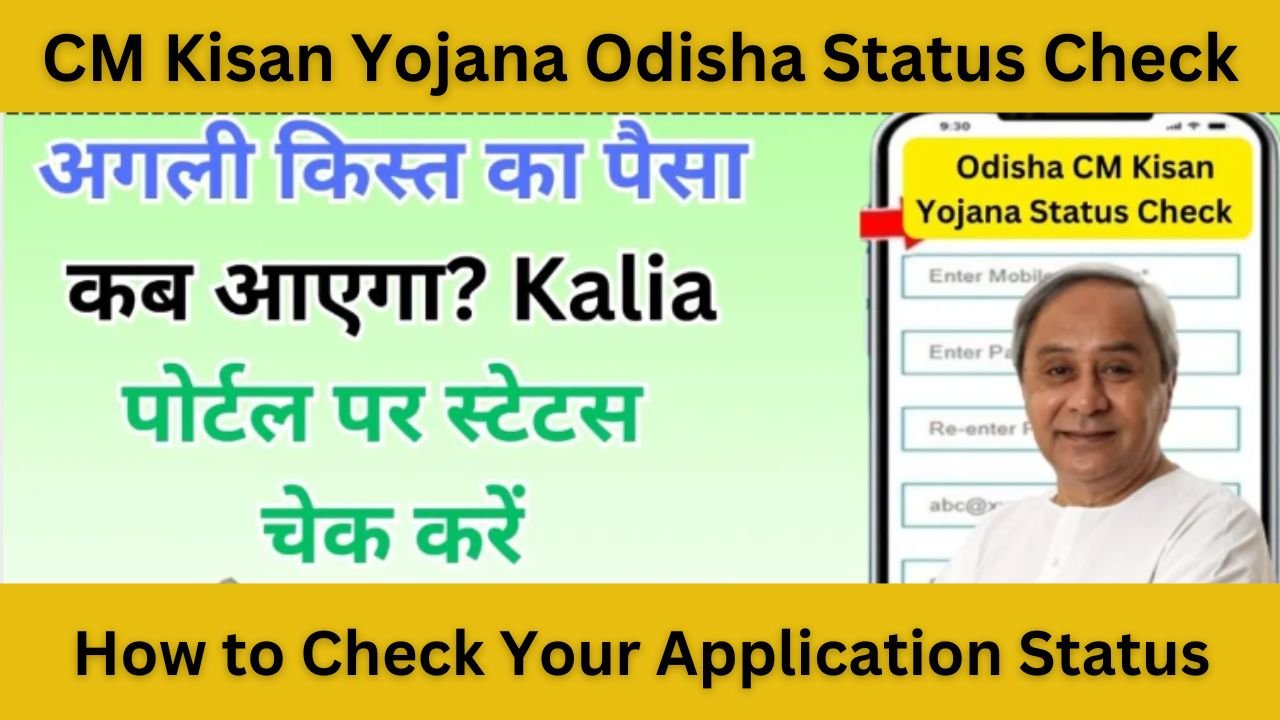
CM Kisan Yojana Odisha Status Check: Odisha’s state government has implemented the CM Kisan Yojana to support farmers by providing them with annual financial aid of ₹4,000, directly transferred to their bank accounts. The government aims to help farmers, especially those affected by natural calamities, who struggle to buy seeds or cultivate their crops. Through this scheme, Odisha’s government intends to assist poor farmers and enable them to overcome financial obstacles in farming.
The CM Kisan Yojana is now open for online applications. If you haven’t applied yet or want to check your application status, follow this article to learn how. Here, we will guide you step-by-step on how to apply and how to check the status of your application.
Table of Contents
CM Kisan Yojana Odisha Status Check: Overview
The Indian government, along with various state governments, has launched several schemes to support farmers. In Odisha, the CM Kisan Yojana aims to provide financial assistance of ₹4,000 to poor farmers annually. Additionally, if a farmer does not own any land, the government offers a financial aid of ₹12,500. To benefit from these schemes, eligible farmers must submit an application.
In this article, we will explain how to apply for the Odisha CM Kisan Yojana, what documents are required for verification, the eligibility criteria for applicants, and the step-by-step process for checking the status of your application.
Benefits of the Odisha CM Kisan Yojana
If you are a resident of Odisha and have not yet applied for the CM Kisan Yojana, you could be missing out on significant benefits. Here are some of the key benefits that this scheme offers:
| Benefit | Details |
|---|---|
| Financial Assistance | Eligible farmers will receive ₹4,000 annually to assist with seed and crop purchases. |
| Two Installments | The financial aid will be disbursed in two installments each year. |
| Improved Economic Condition | This scheme will help improve the social and economic status of millions of farmers in Odisha. |
| Easy Online Application | You can apply for the scheme from the comfort of your home using a smartphone or laptop. |
| Direct Bank Transfer | If your documents are verified, the financial aid will be directly transferred to your bank account. |
Important Documents Required for Odisha CM Kisan Yojana Application
To apply for the Odisha CM Kisan Yojana in 2024, you need to have the following documents for verification:
- Aadhaar Card
- PAN Card
- Mobile Number
- Ration Card
- Residence Certificate
- Voter ID
- Electricity Bill
- Passport Size Photo
If you have all these necessary documents, you can easily apply for the CM Kisan Yojana online.
Eligibility Criteria for Odisha CM Kisan Yojana
Like any government scheme, the Odisha CM Kisan Yojana has certain eligibility criteria that applicants must meet:
- Farmer Requirement: Only farmers who are permanent residents of Odisha are eligible to apply.
- Land Ownership: Applicants must own land suitable for agriculture.
- Required Documents: Farmers must have all government-issued and necessary documents related to land ownership.
- Income Tax Restrictions: Farmers who pay income tax are not eligible for this scheme.
- Government Job Restriction: If any member of the farmer’s household is employed in a government job and pays income tax, the family is not eligible for the scheme.
ladki bahin maharashtra.gov.in 2024: Registration and Login Official Website- How To Apply
How to Apply for Odisha CM Kisan Yojana Online
If you are a permanent resident of Odisha and wish to apply for the CM Kisan Yojana online, the process is very simple. Below is a step-by-step guide to help you apply:
- Visit the Official Website: Go to the official Odisha CM Kisan Yojana website.
- Registration: Click on the registration button in the menu section and complete your registration.
- New Application: Select the “New Apply” option, which will open a new page with the application form.
- Fill Out the Form: Fill in all the required information carefully and accurately.
- Upload Documents: Scan and upload all the necessary documents as prompted.
- Submit Application: Double-check all the details in your application and submit the form.
Once you submit your form, the government officers will verify your documents. If everything is in order, you will start receiving benefits under the scheme.
Checking the Status of Your CM Kisan Yojana Application
If you have already applied for the CM Kisan Yojana 2024 and want to check your application status, the process is straightforward. Follow these steps to check the status:
- Visit the Official Website: Go to the official Odisha CM Kisan Yojana website.
- Status Check Option: Click on the “Status Check” option in the menu section.
- Enter Registration Number: Enter your registration number or application ID.
- Verification: The website may ask for Aadhaar OTP verification. Enter the OTP and submit it.
- View Application Status: You will be able to see the status of your application on the screen.
Checking the Payment Status for Odisha CM Kisan Yojana
To check whether your Odisha CM Kisan Yojana payment has been credited to your bank account, follow these steps:
- Visit PFMS Website: Go to the official PFMS (Public Financial Management System) website.
- Payment Status Option: Click on the “Know Your Payment” option in the Payment Status menu.
- Enter Bank Details: Enter your bank name and account number and verify it using the captcha code.
- OTP Verification: Complete OTP verification if prompted.
- View Payment Status: You will see the payment status, including whether the money has been transferred to your account and the date of the transfer.
FAQs for Odisha CM Kisan Yojana
Q1: Who is eligible for the Odisha CM Kisan Yojana?
A: Only farmers who are permanent residents of Odisha and own land for agriculture are eligible for this scheme. Additionally, the applicant’s household should not have any income tax-paying members.
Q2: What documents are required for the application?
A: The required documents include Aadhaar card, PAN card, mobile number, ration card, residence certificate, voter ID, electricity bill, and passport size photo.
Q3: How much financial aid do farmers receive under this scheme?
A: Eligible farmers receive ₹4,000 annually, disbursed in two installments to help them purchase seeds and cultivate their crops.
Q4: Can landless farmers benefit from this scheme?
A: Yes, landless farmers are eligible for financial assistance of ₹12,500 under this scheme.
Q5: How can I apply for the Odisha CM Kisan Yojana?
A: You can apply for the scheme online by visiting the official website, registering, filling out the application form, uploading required documents, and submitting it.
Q6: How do I check the status of my CM Kisan Yojana application?
A: To check your application status, visit the official website, select the “Status Check” option, and enter your registration number for verification.
Q7: What should I do if my application is rejected?
A: If your application is rejected, you can re-apply by ensuring all required documents are correct and meet the eligibility criteria.
Q8: How do I check the payment status for the Odisha CM Kisan Yojana?
A: You can check your payment status by visiting the PFMS website and entering your bank details under the “Know Your Payment” option.
Q9: Is there any offline process for applying to this scheme?
A: Currently, the scheme requires online registration and submission through the official website, making it easy for applicants to apply from home.
Q10: Can farmers from other states apply for the Odisha CM Kisan Yojana?
A: No, only farmers who are permanent residents of Odisha are eligible to apply for this scheme.
By providing financial assistance directly to farmers’ bank accounts, the Odisha CM Kisan Yojana aims to improve the lives of poor farmers, helping them overcome financial difficulties caused by crop losses or lack of resources for cultivation. The online application process is simple and user-friendly, ensuring that eligible farmers can benefit from the scheme with ease.
Article In Hindi
सीएम किसान योजना ओडिशा स्थिति जांच: आवेदन स्थिति जानने और लाभ पाने की प्रक्रिया
सीएम किसान योजना ओडिशा के तहत स्थिति की जांच कैसे करें:
ओडिशा सरकार ने किसानों के लिए एक खास योजना चलाई है, जिसे सीएम किसान योजना के नाम से जाना जाता है। इस योजना के तहत किसानों को हर साल ₹4000 की आर्थिक मदद दी जाती है, जो सीधे उनके बैंक खाते में ट्रांसफर की जाती है। इस योजना का उद्देश्य गरीब किसानों की मदद करना है, जो फसल खरीदने या बोने के लिए आर्थिक रूप से सक्षम नहीं होते। प्राकृतिक आपदाओं के कारण कई बार किसानों की फसलें बर्बाद हो जाती हैं, ऐसे में यह सहायता उन्हें फसल की बुवाई के लिए मदद करती है।
अगर आपने अब तक इस योजना के तहत आवेदन नहीं किया है, तो यह लेख आपकी मदद करेगा। इसके अलावा, अगर आपने आवेदन कर दिया है और अपनी आवेदन स्थिति जानना चाहते हैं, तो इसके लिए भी एक आसान प्रक्रिया दी गई है।
सीएम किसान योजना ओडिशा आवेदन स्थिति कैसे चेक करें?
जैसा कि हम जानते हैं, केंद्र और राज्य सरकारें किसानों के लिए विभिन्न योजनाएं चलाती हैं। सीएम किसान योजना ओडिशा भी इन्हीं में से एक है, जिसके तहत गरीब किसानों को ₹4000 की सहायता राशि प्रदान की जाती है। जिन किसानों के पास खेती योग्य जमीन नहीं है, उन्हें ₹12,500 की अतिरिक्त आर्थिक सहायता दी जाती है। इस योजना का लाभ पाने के लिए आपको आवेदन करना होगा। आवेदन की स्थिति जानने के लिए, आप निम्नलिखित प्रक्रिया का पालन कर सकते हैं:
- ऑफिशियल वेबसाइट पर जाएं: सबसे पहले ओडिशा सीएम किसान योजना की आधिकारिक वेबसाइट पर जाएं।
- मेन्यू में रजिस्ट्रेशन बटन पर क्लिक करें: वेबसाइट के मेन्यू में आपको “रजिस्ट्रेशन” का विकल्प मिलेगा। उस पर क्लिक करके अपनी जानकारी भरें।
- न्यू अप्लाई पर क्लिक करें: इसके बाद “न्यू अप्लाई” बटन पर क्लिक करें। यहां आपको एक आवेदन फॉर्म मिलेगा, जिसे आपको सही-सही भरना होगा।
- दस्तावेज अपलोड करें: मांगे गए दस्तावेजों को स्कैन करके अपलोड करें। दस्तावेज जैसे आधार कार्ड, पैन कार्ड, निवास प्रमाण पत्र, आदि की आवश्यकता होगी।
- फॉर्म सबमिट करें: सभी जानकारी चेक करके फॉर्म को सबमिट कर दें। अब सरकारी अधिकारी आपके फॉर्म की जांच करेंगे, और वेरिफिकेशन पूरा होने के बाद आपको इस योजना का लाभ दिया जाएगा।
सीएम किसान योजना के लाभ
अगर आप ओडिशा राज्य के निवासी हैं और अब तक इस योजना में आवेदन नहीं किया है, तो आप कई लाभों से वंचित हैं। यहां कुछ प्रमुख लाभ दिए गए हैं:
- ₹4000 की सहायता: ओडिशा सरकार द्वारा किसानों को हर साल ₹4000 की आर्थिक मदद दी जाती है, जो उनके फसल और बीज के लिए उपयोगी होती है।
- दो किस्तों में भुगतान: यह राशि दो किस्तों में दी जाती है, जिससे किसान अपनी खेती के लिए आवश्यक सामग्री खरीद सकते हैं।
- किसानों की आर्थिक स्थिति में सुधार: इस योजना से लाखों किसानों की सामाजिक और आर्थिक स्थिति में सुधार होगा और उन्हें बीज खरीदने की चिंता नहीं होगी।
- ऑनलाइन आवेदन की सुविधा: आप इस योजना के लिए घर बैठे अपने स्मार्टफोन या लैपटॉप से आवेदन कर सकते हैं, जिससे समय और श्रम की बचत होती है।
- सीधा बैंक ट्रांसफर: अगर आपके पास सभी आवश्यक दस्तावेज उपलब्ध हैं, तो सरकार द्वारा आपके बैंक खाते में सीधे पैसे ट्रांसफर किए जाएंगे।
आवश्यक दस्तावेज
सीएम किसान योजना ओडिशा 2024 में आवेदन करने के लिए निम्नलिखित दस्तावेजों की आवश्यकता है:
- आधार कार्ड
- पैन कार्ड
- मोबाइल नंबर
- राशन कार्ड
- निवास प्रमाण पत्र
- वोटर आईडी
- बिजली बिल
- पासपोर्ट साइज फोटो
इन दस्तावेजों के बिना आप योजना में आवेदन नहीं कर सकते, इसलिए पहले से ही सभी दस्तावेज तैयार रखें।
पात्रता मापदंड
हर सरकारी योजना के लिए कुछ पात्रता मापदंड तय किए जाते हैं। इसी प्रकार सीएम किसान योजना ओडिशा के तहत आवेदन करने के लिए कुछ विशेष मापदंड लागू किए गए हैं:
- ओडिशा के मूल निवासी: केवल ओडिशा राज्य के मूल निवासी ही इस योजना में आवेदन कर सकते हैं।
- कृषि योग्य भूमि: आवेदक के पास खुद की कृषि योग्य भूमि होनी चाहिए।
- दस्तावेज उपलब्धता: आवेदक के पास भूमि से संबंधित सभी सरकारी दस्तावेज होने चाहिए।
- इनकम टैक्स देने वाले किसान: अगर आप इनकम टैक्स देते हैं, तो आप इस योजना के पात्र नहीं हैं। इसके अलावा, यदि आपके परिवार का कोई सदस्य सरकारी नौकरी में कार्यरत है और इनकम टैक्स देता है, तो भी आप इस योजना का लाभ नहीं उठा सकते।
ऑनलाइन आवेदन की प्रक्रिया
अगर आप ओडिशा राज्य के निवासी हैं और सीएम किसान योजना में आवेदन करना चाहते हैं, तो निम्नलिखित चरणों का पालन करें:
- वेबसाइट पर जाएं: सबसे पहले ओडिशा सीएम किसान योजना की आधिकारिक वेबसाइट पर जाएं।
- रजिस्ट्रेशन बटन पर क्लिक करें: वेबसाइट के मेन्यू में “रजिस्ट्रेशन” विकल्प पर क्लिक करें और रजिस्ट्रेशन प्रक्रिया पूरी करें।
- न्यू अप्लाई बटन पर क्लिक करें: इसके बाद “न्यू अप्लाई” बटन पर क्लिक करें और आवेदन फॉर्म भरें।
- जानकारी भरें: आवेदन फॉर्म में मांगी गई सभी जानकारी सही-सही भरें।
- दस्तावेज अपलोड करें: सभी आवश्यक दस्तावेज स्कैन करके अपलोड करें।
- फॉर्म सबमिट करें: फॉर्म को चेक करके “सबमिट” बटन पर क्लिक करें।
आवेदन स्थिति चेक कैसे करें?
अगर आपने पहले से आवेदन कर दिया है और आप अपनी आवेदन स्थिति देखना चाहते हैं, तो निम्नलिखित प्रक्रिया का पालन करें:
- वेबसाइट पर जाएं: ओडिशा सीएम किसान योजना की आधिकारिक वेबसाइट पर जाएं।
- मेन्यू पर क्लिक करें: मेन्यू बटन पर क्लिक करें और “स्टेटस चेक” विकल्प चुनें।
- आवेदन संख्या दर्ज करें: अपना आवेदन संख्या (रजिस्ट्रेशन नंबर) दर्ज करें।
- आधार कार्ड वेरिफिकेशन: वेरिफिकेशन के लिए आधार कार्ड ओटीपी की मांग की जा सकती है। इसे वेरीफाई करें और सबमिट करें।
- आवेदन स्थिति देखें: आपकी आवेदन स्थिति स्क्रीन पर दिखाई देगी।
योजना के तहत पैसा चेक करने की प्रक्रिया
अगर आप देखना चाहते हैं कि आपका Odisha CM Kisan Yojana का पैसा आपके बैंक खाते में ट्रांसफर हुआ है या नहीं, तो निम्नलिखित चरणों का पालन करें:
- PFMS की वेबसाइट पर जाएं: सबसे पहले PFMS की आधिकारिक वेबसाइट पर जाएं।
- Know Your Payment ऑप्शन चुनें: मेन्यू में “Know Your Payment” पर क्लिक करें।
- बैंक और अकाउंट नंबर दर्ज करें: अपना बैंक का नाम और अकाउंट नंबर दर्ज करें, फिर इसे कंफर्म करें।
- ओटीपी वेरीफिकेशन: कैप्चा कोड वेरीफाई करें और ओटीपी वेरीफिकेशन पूरा करें।
- पेमेंट स्टेटस देखें: यहां आपको पता चल जाएगा कि आपका पैसा ट्रांसफर हुआ है या नहीं और किस तारीख को ट्रांसफर किया गया है।
निष्कर्ष
सीएम किसान योजना ओडिशा किसानों के लिए एक महत्वपूर्ण योजना है, जो उनकी आर्थिक स्थिति सुधारने में सहायक है। इस योजना के माध्यम से ओडिशा सरकार गरीब किसानों की मदद कर रही है, जिससे वे फसल बोने और खेती करने के लिए आवश्यक सामग्री खरीद सकें। अगर आपने अब तक इस योजना में आवेदन नहीं किया है, तो जल्दी से आवेदन करें और अपनी स्थिति चेक करना न भूलें।